Place to visit / Seoul
Gyeonghuigung Palace, Seoul, Visitor Guide & Things to Do Nearby
Plan your visit, then discover Gyeonghuigung Palace as part of a self-guided story through Seoul.
Explore all of SeoulOn a self-guided walking route
- 10 stops
- 1 km
- 115 min
- ★ 4.5 (39)
Route starts 237 m from here, about 3 min walk
About Gyeonghuigung Palace
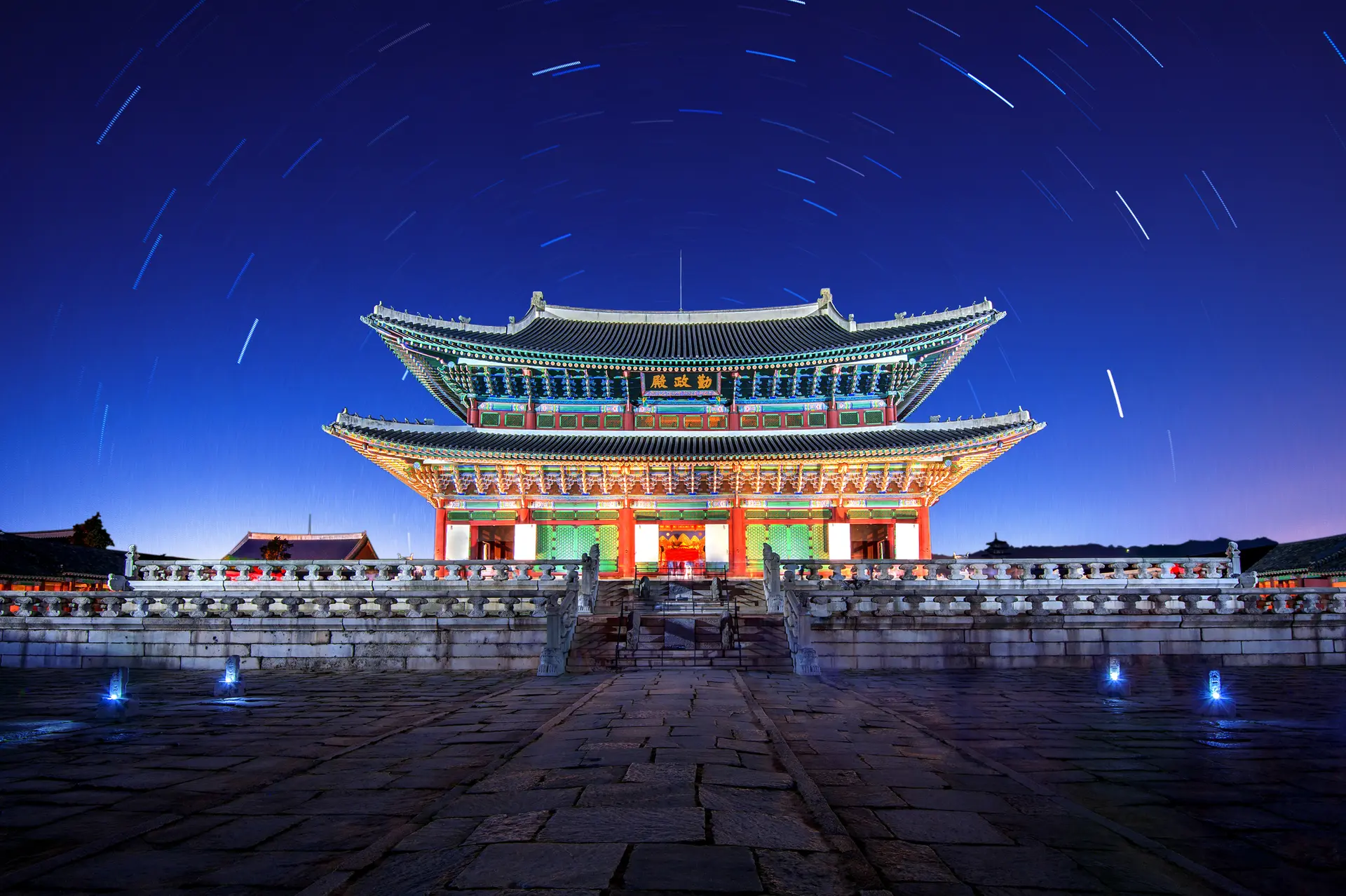
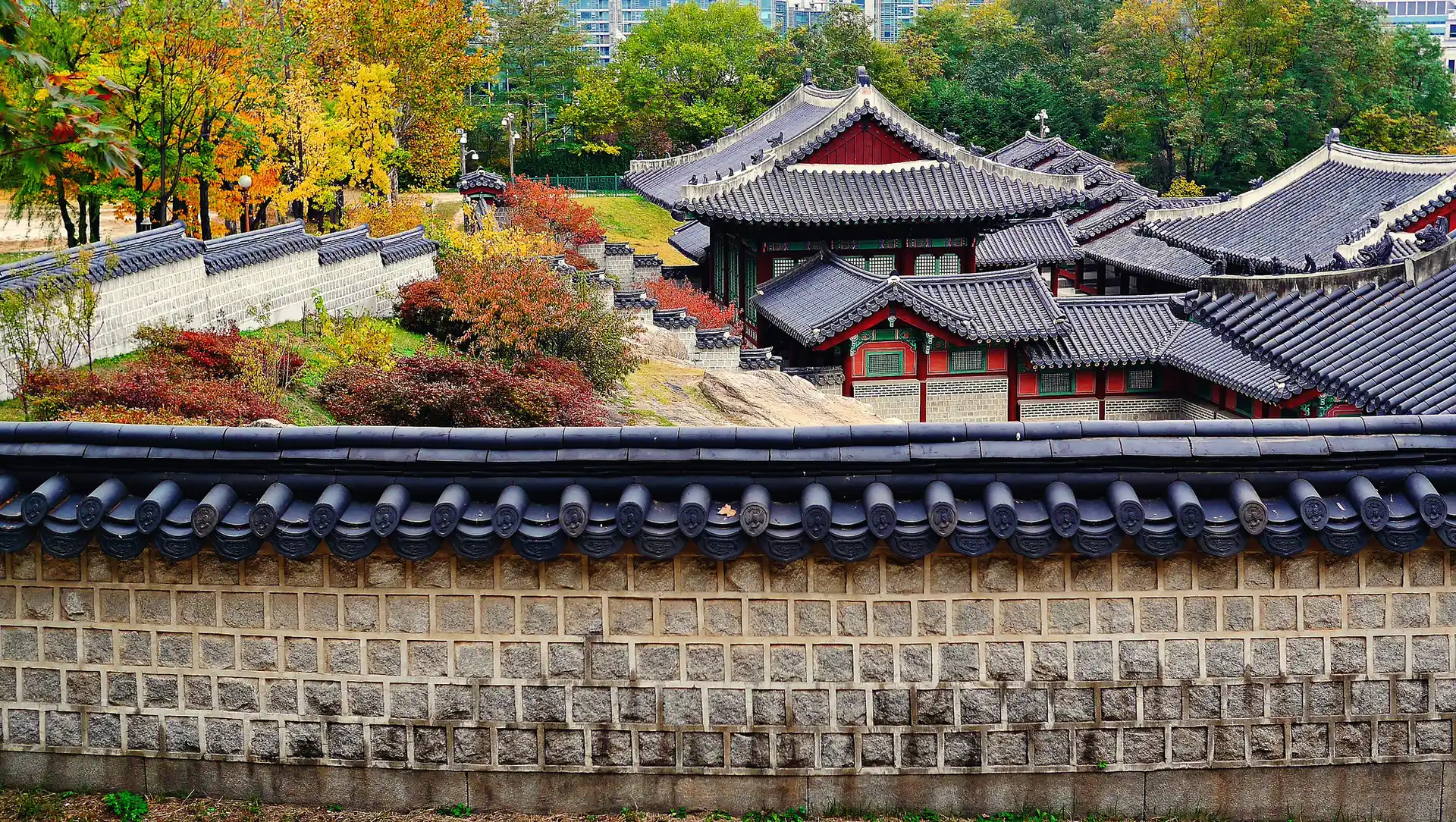
Of Seoul's Five Grand Palaces, Gyeonghuigung carries perhaps the most dramatic story of destruction and rebirth. Built between 1617 and 1623 during the reign of King Gwanghae, this palace once boasted over 100 magnificent halls and served as home to ten different Korean kings. Originally named Gyeongdeokgung, it was renamed in 1760 because the original name sounded too similar to King Wonjong's posthumous title, a taboo that demanded immediate correction. At its peak, Gyeonghuigung was a sprawling complex where daily royal life unfolded in elaborate ceremony and quiet contemplation. King Injo spent half his reign within these walls, conducting state affairs and receiving dignitaries in halls that stretched across the hillside. Then came the devastating chapter: during the Japanese colonial period, occupying forces systematically demolished most of the palace to build schools on the site, erasing centuries of Korean royal heritage in the process. The reconstruction that began in 1980 after Seoul High School vacated represents one of Korea's most significant cultural restoration projects. While much of the original grandeur is still being recovered, what stands today offers a powerful window into both the splendour of the Joseon Dynasty and the resilience of Korean cultural identity. Questo's Seoul palace trails reveal the layers of history at Gyeonghuigung, from its royal origins through colonial destruction to its ongoing restoration.
Plan Your Visit
- Address
- 45 Saemunan-ro, Jongno-gu, Seoul, South Korea
Loading map…
Frequently asked questions
What happened to Gyeonghuigung Palace during Japanese occupation?
How many kings lived at Gyeonghuigung Palace?
Is Gyeonghuigung Palace one of the Five Grand Palaces?
When did reconstruction of Gyeonghuigung Palace begin?
Play through this place