Brandenburg Gate, Berlin — Visitor Guide & Things to Do Nearby
About Brandenburg Gate
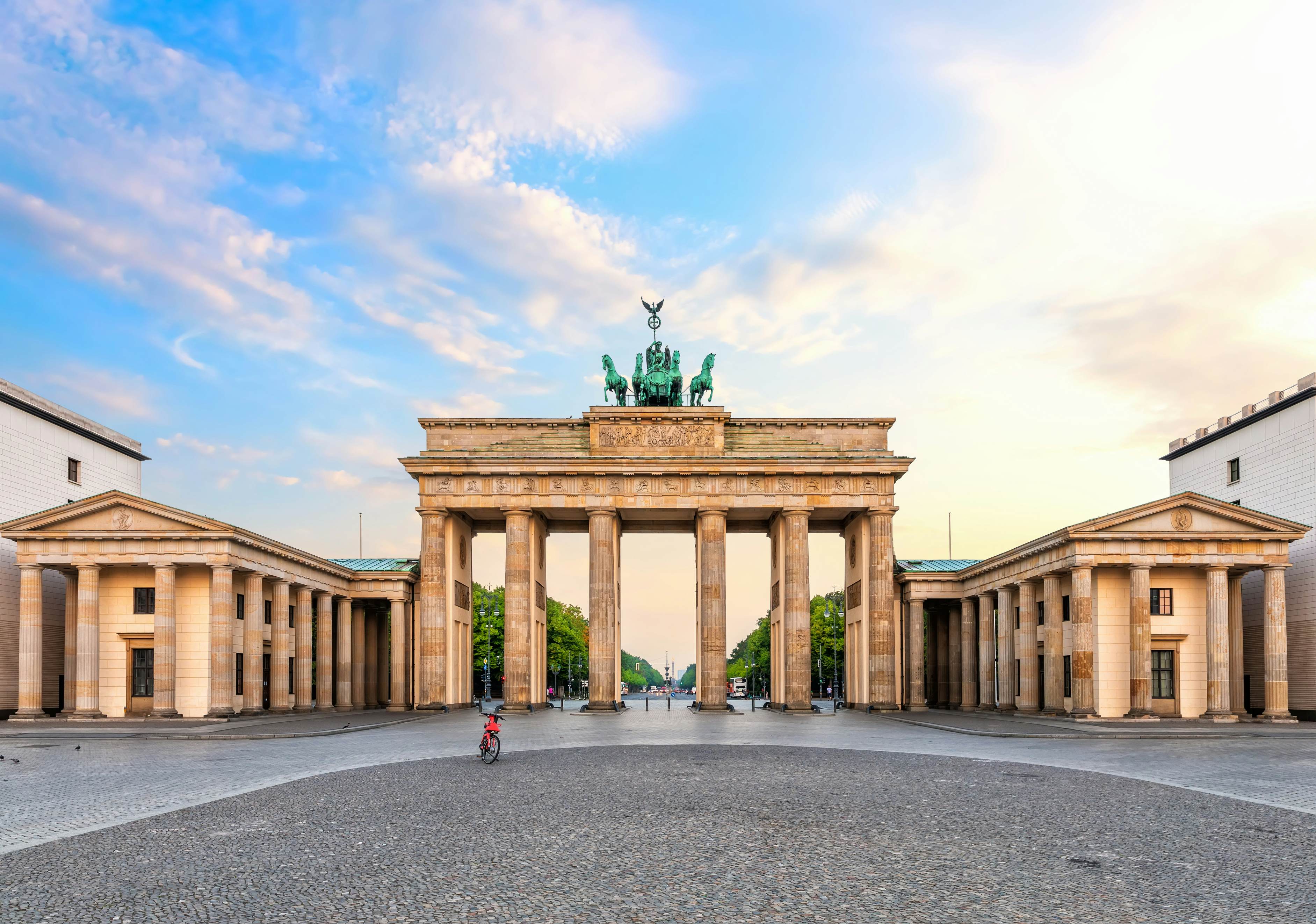
The Brandenburg Gate is Berlin's most iconic landmark and one of the most powerful symbols of European history. Standing 26 metres high at the western end of Unter den Linden, it has witnessed revolution, division, and reunification.
The gate was built between 1788 and 1791 under King Frederick William II of Prussia, designed by Carl Gotthard Langhans and modelled on the Propylaea, the entrance to the Acropolis in Athens. It was Berlin's first Greek Revival structure, a bold statement of Prussian ambition.
The Quadriga, a bronze sculpture of Victoria driving a chariot pulled by four horses, was placed on top in 1793. Napoleon seized it and carried it off to Paris in 1806 after conquering Prussia. After his defeat, the Prussians recovered it in 1814 and brought it home in triumph.
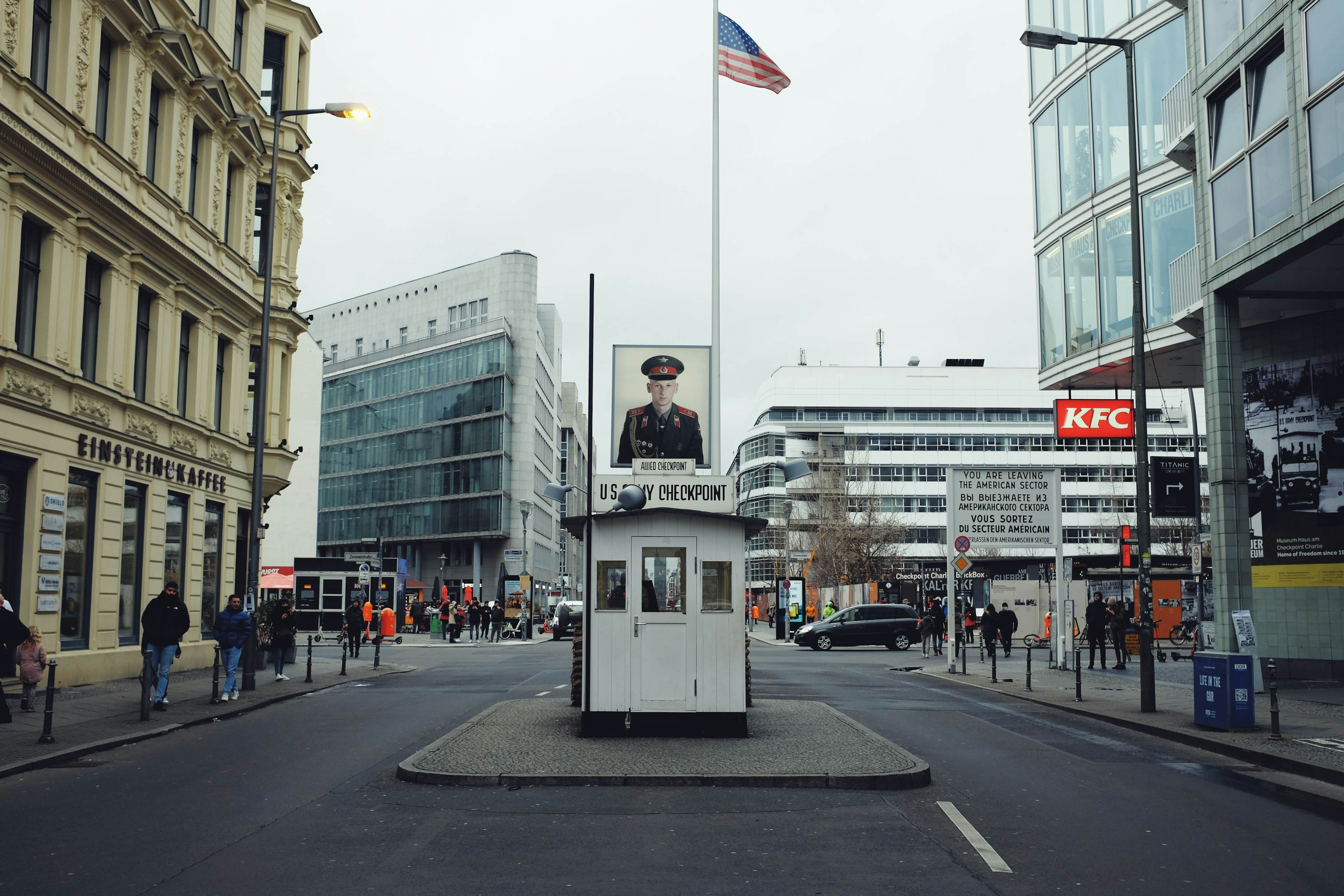
During the Cold War, the gate stood in the no-man's land between East and West Berlin, inaccessible from either side. In October 1961, American and Soviet tanks faced each other nearby in one of the tensest moments of the Cold War. When the Berlin Wall fell on November 9, 1989, the Brandenburg Gate became the focal point of celebrations, with crowds from both sides meeting beneath it.
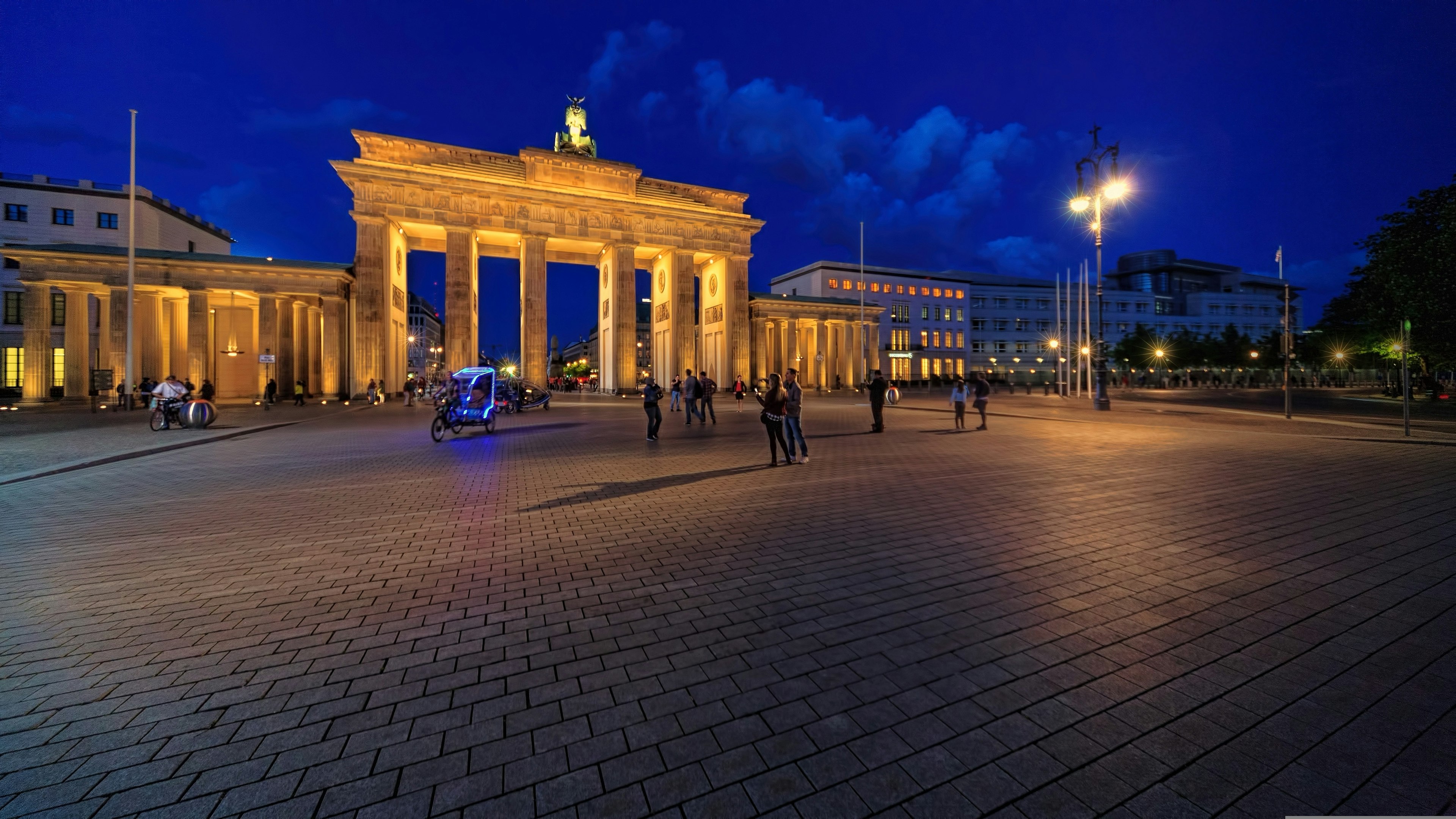
Today, the gate is free to visit and illuminated beautifully after dark. If you're on a Questo quest through Berlin, the Brandenburg Gate is a stop where the entire arc of modern European history comes together in a single structure.
Plan Your Visit
- Address
- Brandenburger Tor 1, 10117 Berlin, Germany
Loading map…