20 Castles in Germany You Need to Visit
From military fortresses to royal residences, Germany has the most castles of any country in the world. Though no one is sure of the exact number, estimates put it at around 25,000!
These incredible structures have stood the test of time to become some of the most-visited attractions in Germany, inspiring everything from classic fairy tales to Mary Shelley’s Frankenstein.
With so many on offer, it’s impossible to choose the best castles to visit in Germany. Instead, we’ve compiled a list of our personal favourites.
Discover more places to visit in Germany on one of our many walking tours!
1) Nuremberg Castle
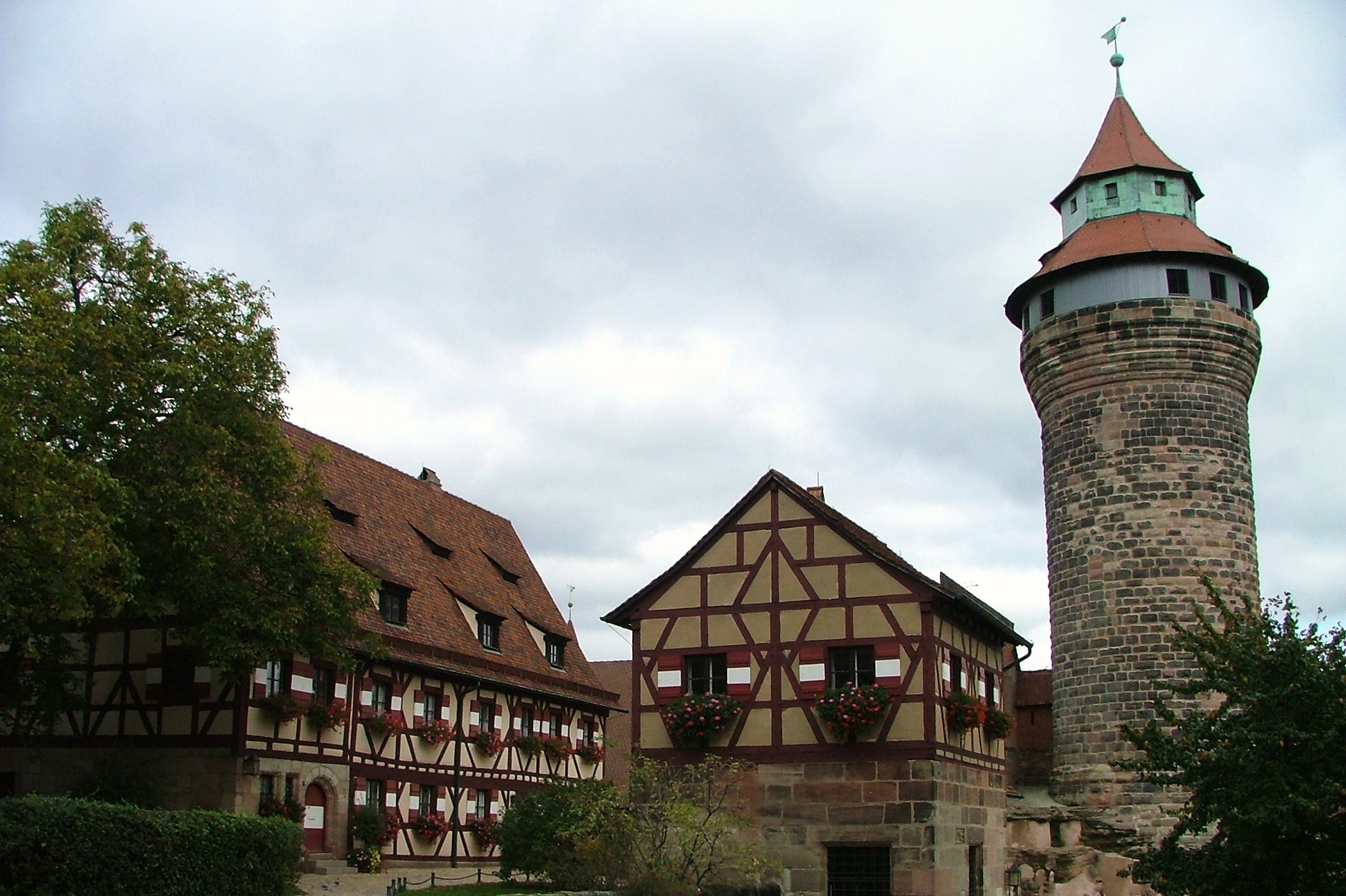
At 1000 years old, Nuremberg Castle is one of the most important surviving medieval castles in all of Europe. In its time, it has been the home of German kings, emperors, and even kings of the old Holy Roman Empire.
Situated in Nuremberg, the castle dominates the area with its towering walls and spires, making the city one of the most fortified in Germany. It’s a favourite of tourists and locals alike, with stories to be uncovered everywhere you go.
Credit: Larry Myhre
2) Dresden Castle
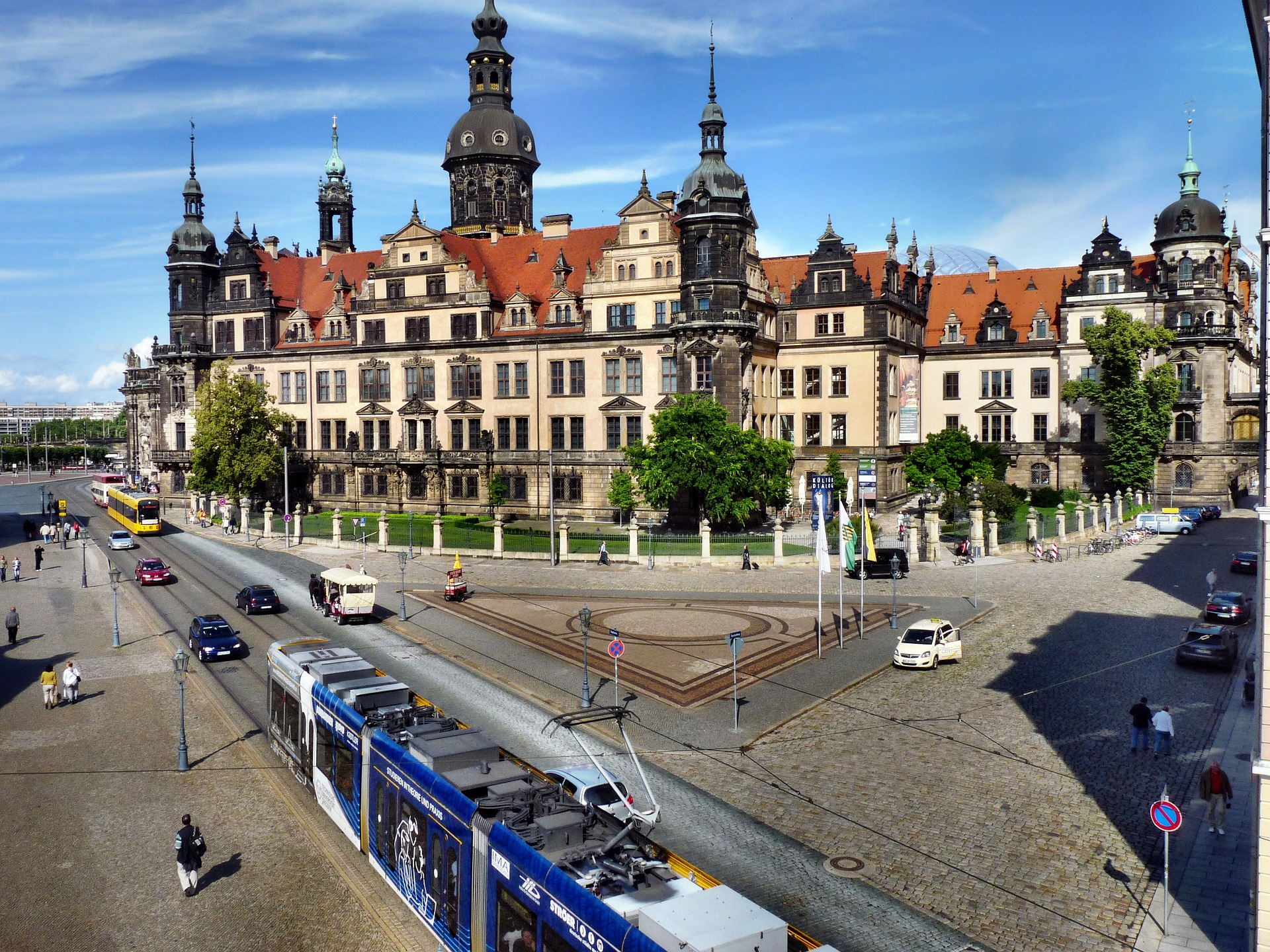
One of the more modern-looking on our list, this castle is located in the heart of Dresden, Germany. And at 400 years old, it’s one of the oldest buildings in the area.
Over the years, it has been home to many ancient kings and queens of Saxony. These days, it largely functions as an art museum, housing everything from Rembrandt to Picasso. For any art fans, Dresden Castle isn’t one to miss.
3) Heidelberg Castle
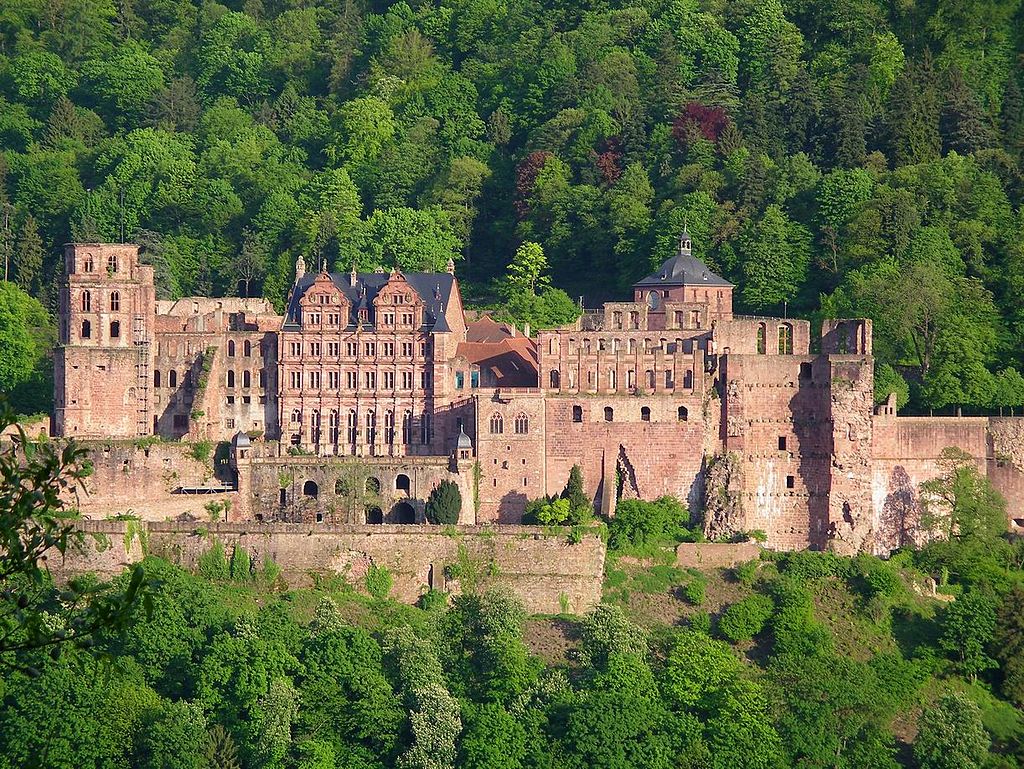
Sticking out from the forest landscape is the sandstone castle of Heidelberg. Overlooking the town below, this imposing structure is one of the best examples of German Renaissance architecture still standing.
Built in the late 1100s, the castle has seen its fair share of destruction, from lightning fires to sieges by the French during the Nine Years’ War. Much of the castle grounds are now left in ruin, but it is far from abandoned. Filled with festivals and concerts year-round, Heidelberg Castle is a gem in the German countryside.
Credit: Pumuckel42

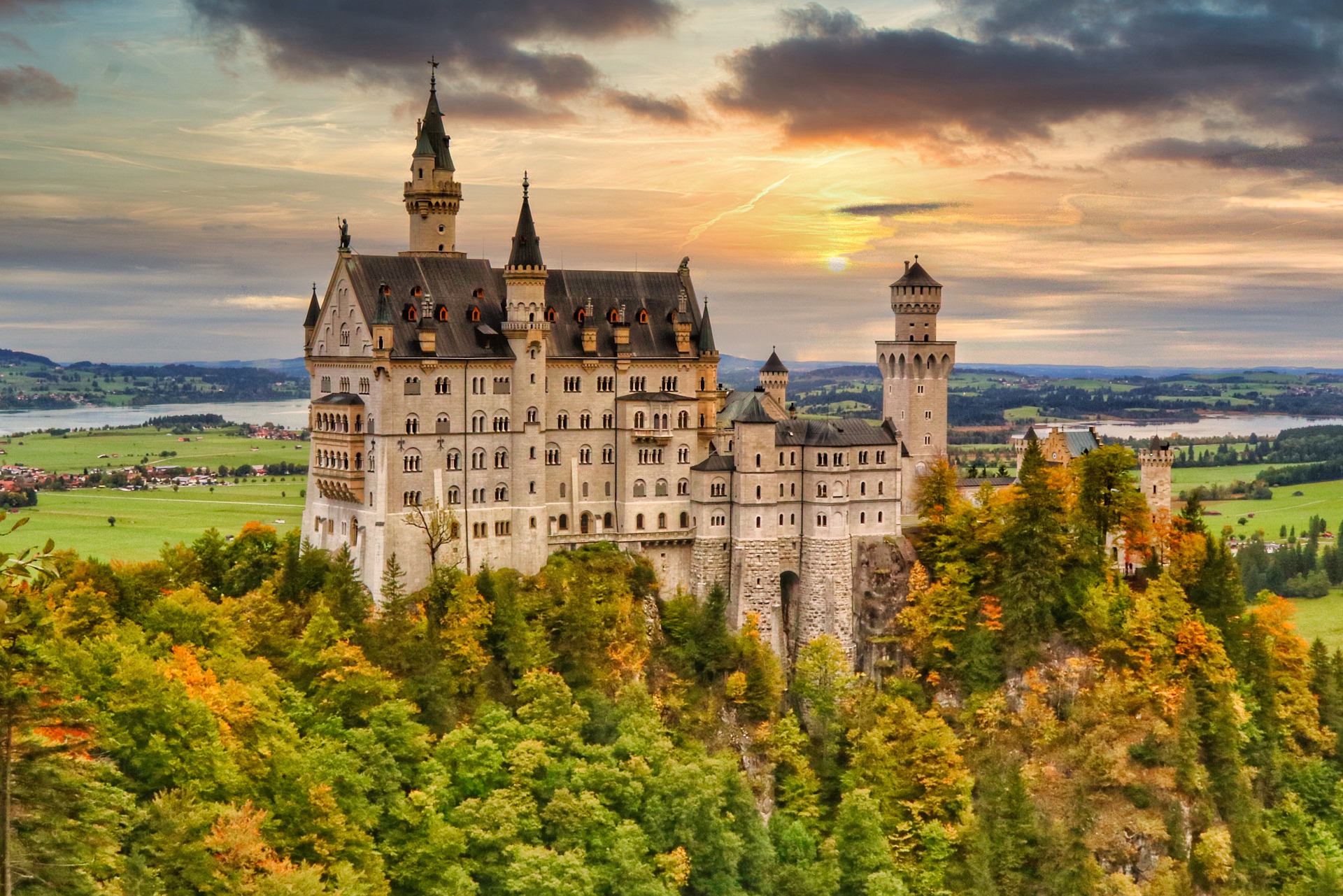
4) Neuschwanstein Castle
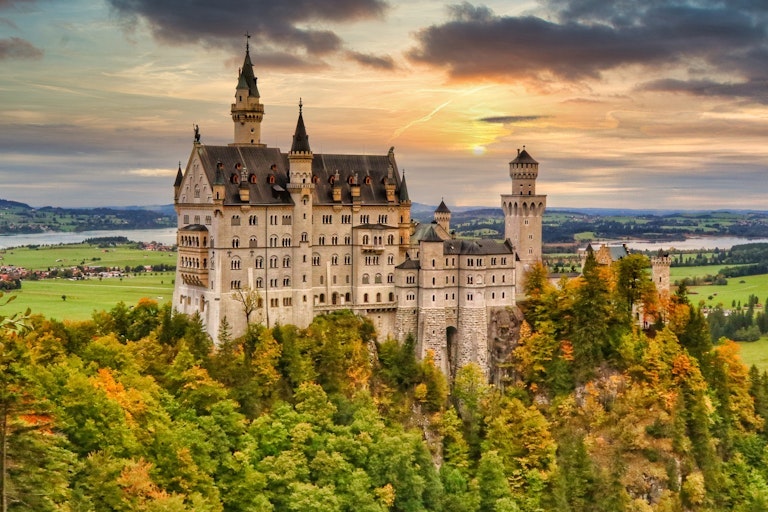
Like something out of a medieval fantasy, Neuschwanstein Castle is a fairy tale come to life. This architectural masterpiece was built on a cliff and boasts unimpeded views of the surrounding valleys and the Bavarian Alps.
King Ludwig II of Bavaria commissioned the castle in the 1800s, acting as his personal retreat. In the years since the king’s death, the castle has only grown in popularity. And with panoramic views perfect for sightseeing, it’s easy to see what makes this one of the most visited castles in the world.
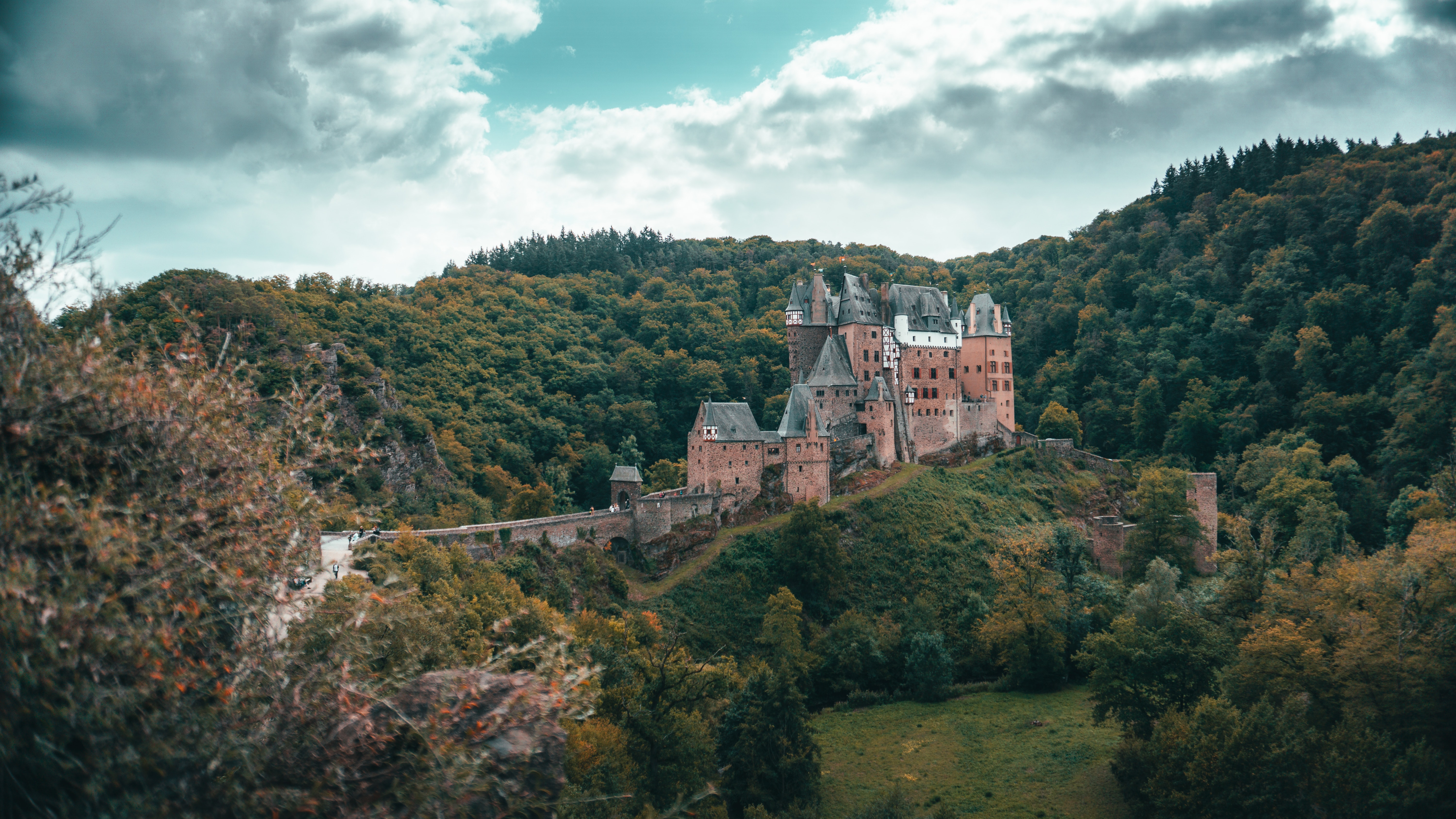
5) Eltz Castle
Nestled in the hilltops above the Moselle River is the lonely Eltz Castle. Known for its fairy tale aesthetic, with its tall stone walls and narrow bridge, it’s an unforgettable sight on the German landscape.
Despite being many hundreds of years old, the castle hasn’t changed much since the 1600s. It has been faithfully maintained by the original family, making it one of the best-kept medieval castles in Germany.
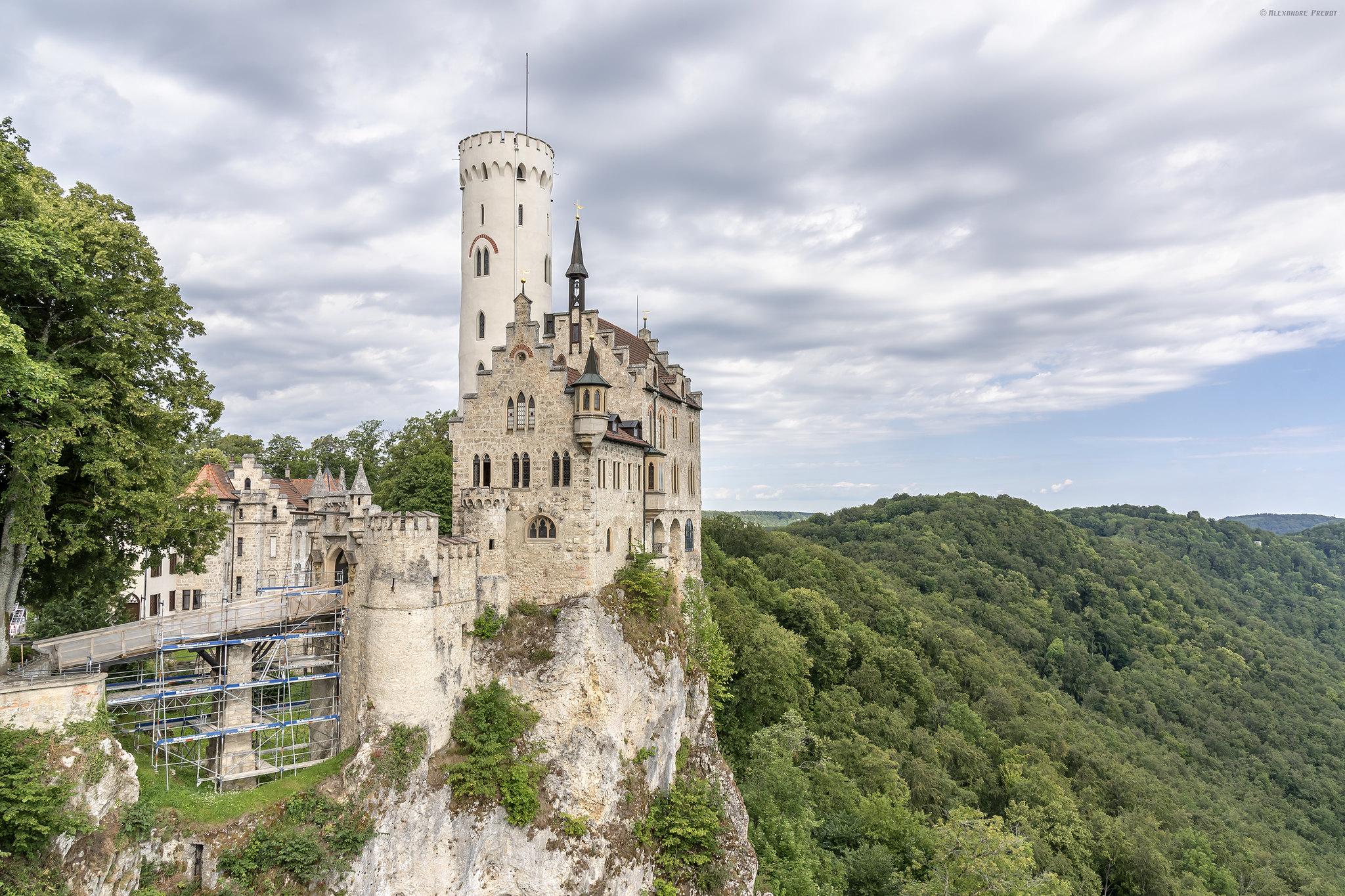
6) Lichtenstein Castle
Perched on a small rocky outcrop that’s only accessible by a narrow wooden bridge, Lichtenstein Castle is undoubtedly one of the more unique attractions on our list. But don’t let the stone façade fool you. This privately-owned castle only dates back to the 1800s and was constructed to look medieval.
The castle was commissioned by Duke Wilhelm of Urach, inspired by his love of medieval history. From its forest backdrop to the many turrets, this Gothic-revival castle is one of the most picturesque castles in Germany, and not one to miss.
Credit: Alexandre Prevot
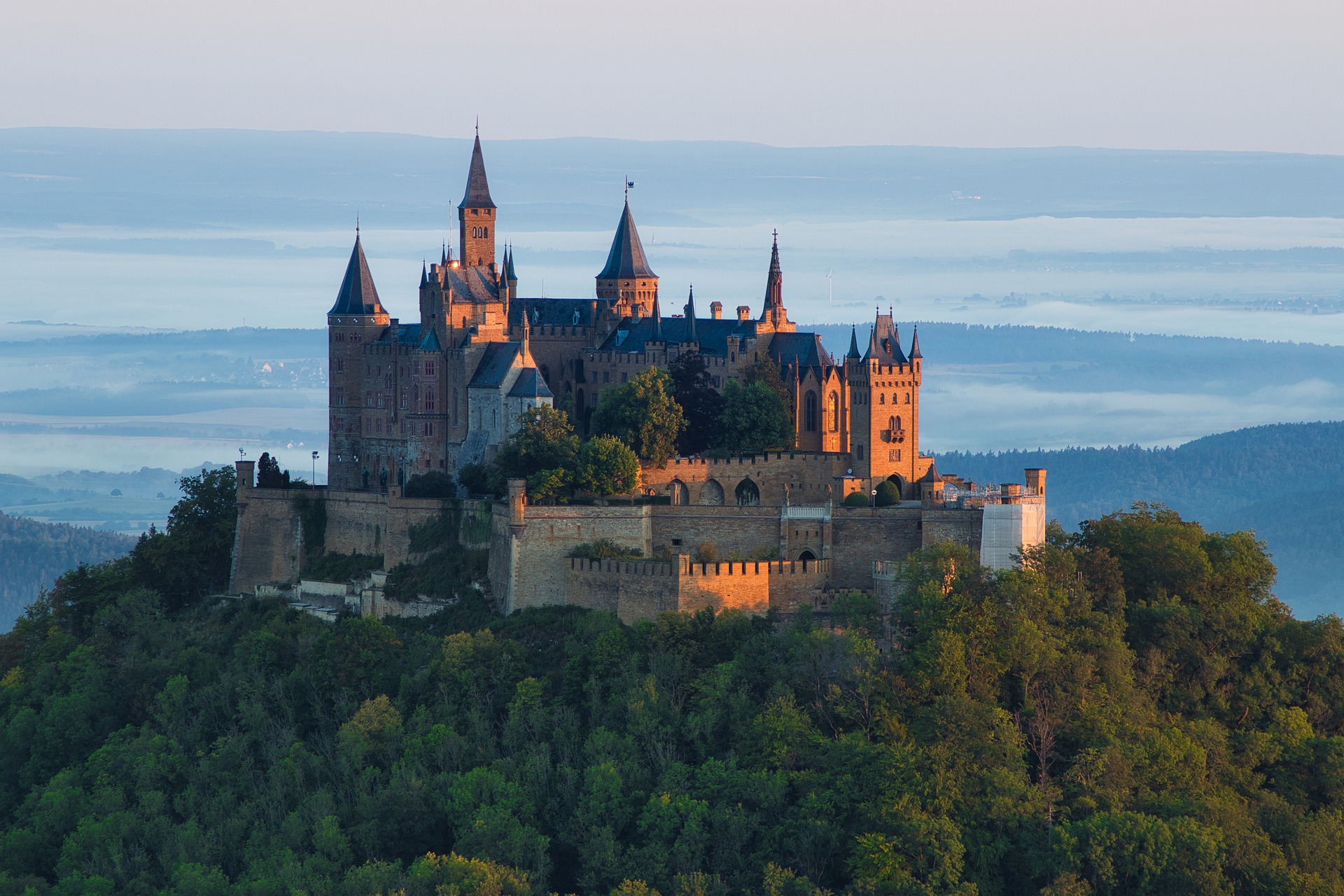
7) Hohenzollern Castle
A castle in the clouds! If you’re looking for great sightseeing spots in Germany, Hohenzollern Castle is a hard one to beat. Situated at the top of a mountain, the site offers sweeping views of the surrounding hills. On a clear day, you can see up to 100 km away!
The castle, which is still owned and maintained by the Hohenzollern family, has hundreds of historical artefacts on display and offers guided tours of the property.
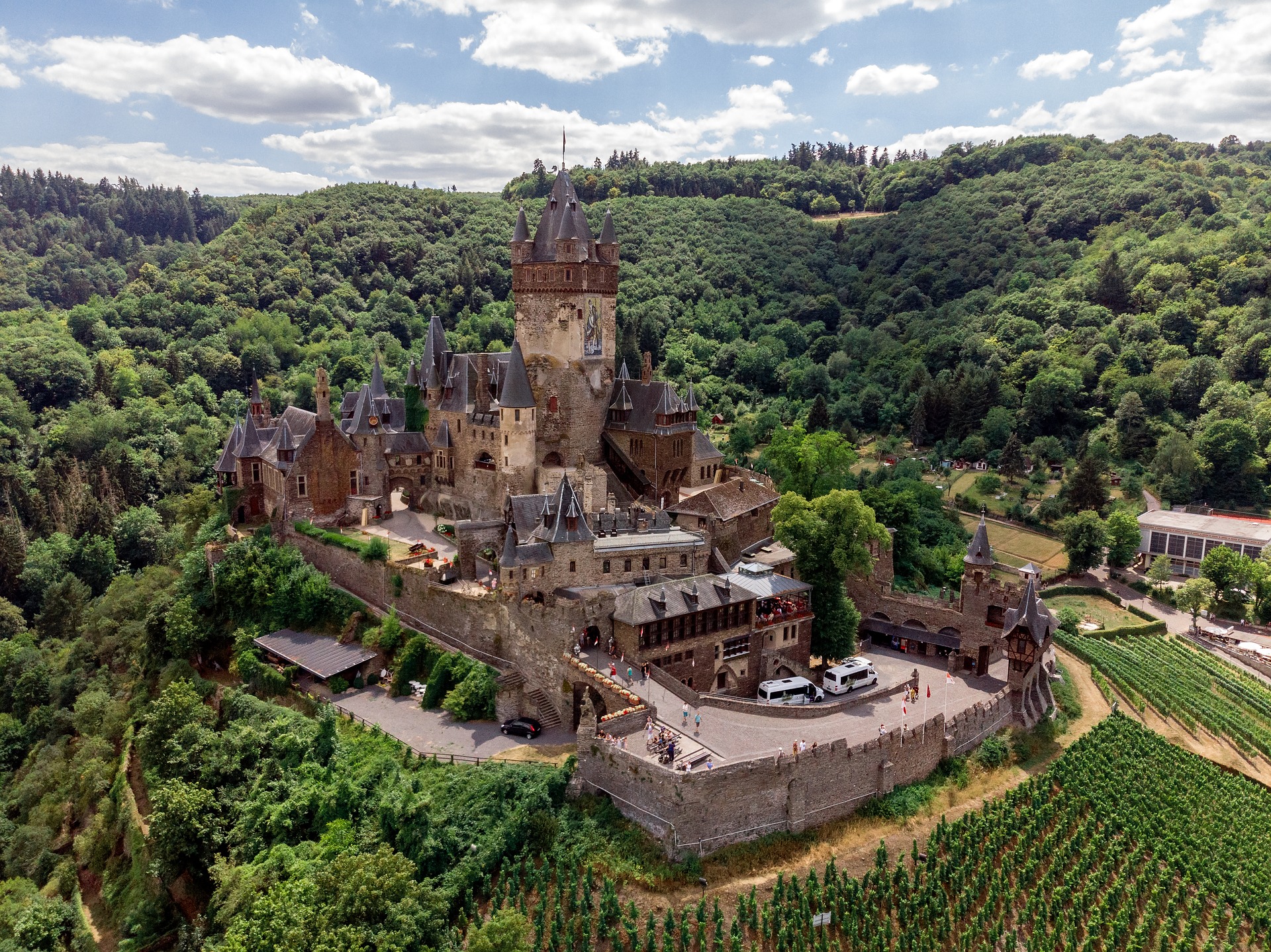
8) Cochem Castle
The original castle at this location was built back in the 12th century. But like most others in Germany, Cochem Castle didn’t survive its long years unscathed. After the original was destroyed by King Louis XIV of France, it lay in ruins until being restored in the 19th century.
Cochem Castle has seen several owners since then, even being a Nazi-led law school during WWII. It was eventually bought by the nearby city of Cochem and turned into a popular tourist attraction.
9) Mespelbrunn Castle
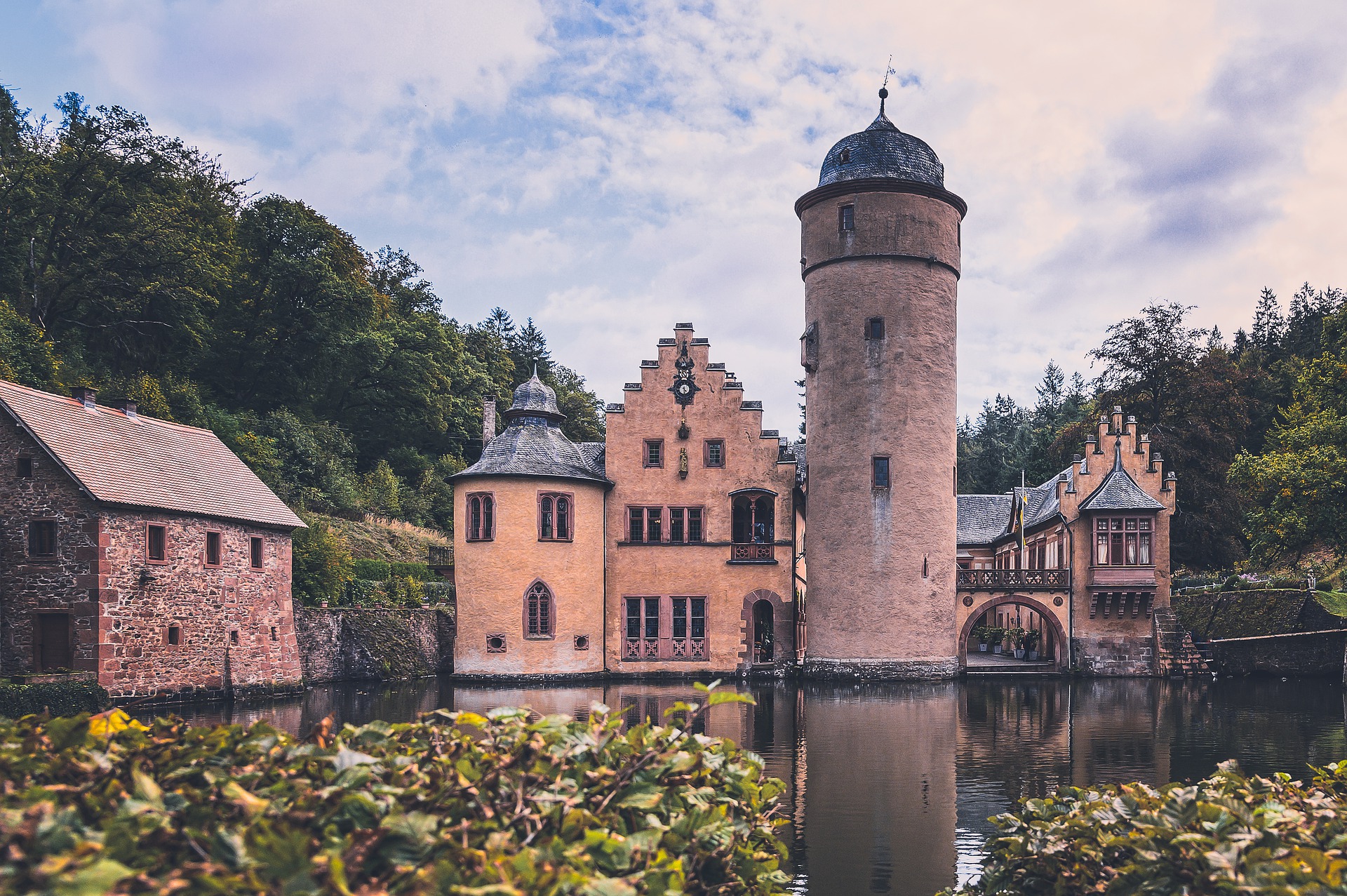
Not all castles are imposing structures perched on a mountainside. Some are more modest, like the beautiful Mespelbrunn Castle near the city of Frankfurt. Amongst other things, its location over a river gives it a certain charm.
Despite being spared by the Thirty Years’ War that destroyed many of Germany’s castles, not much of the original 15th-century building remains. During the rebuild, it was remodelled to look more like a manor house than a defensive castle, hence its quaint appearance. This unique look is perhaps what makes it such a popular attraction for tourists.
10) Schwerin Castle
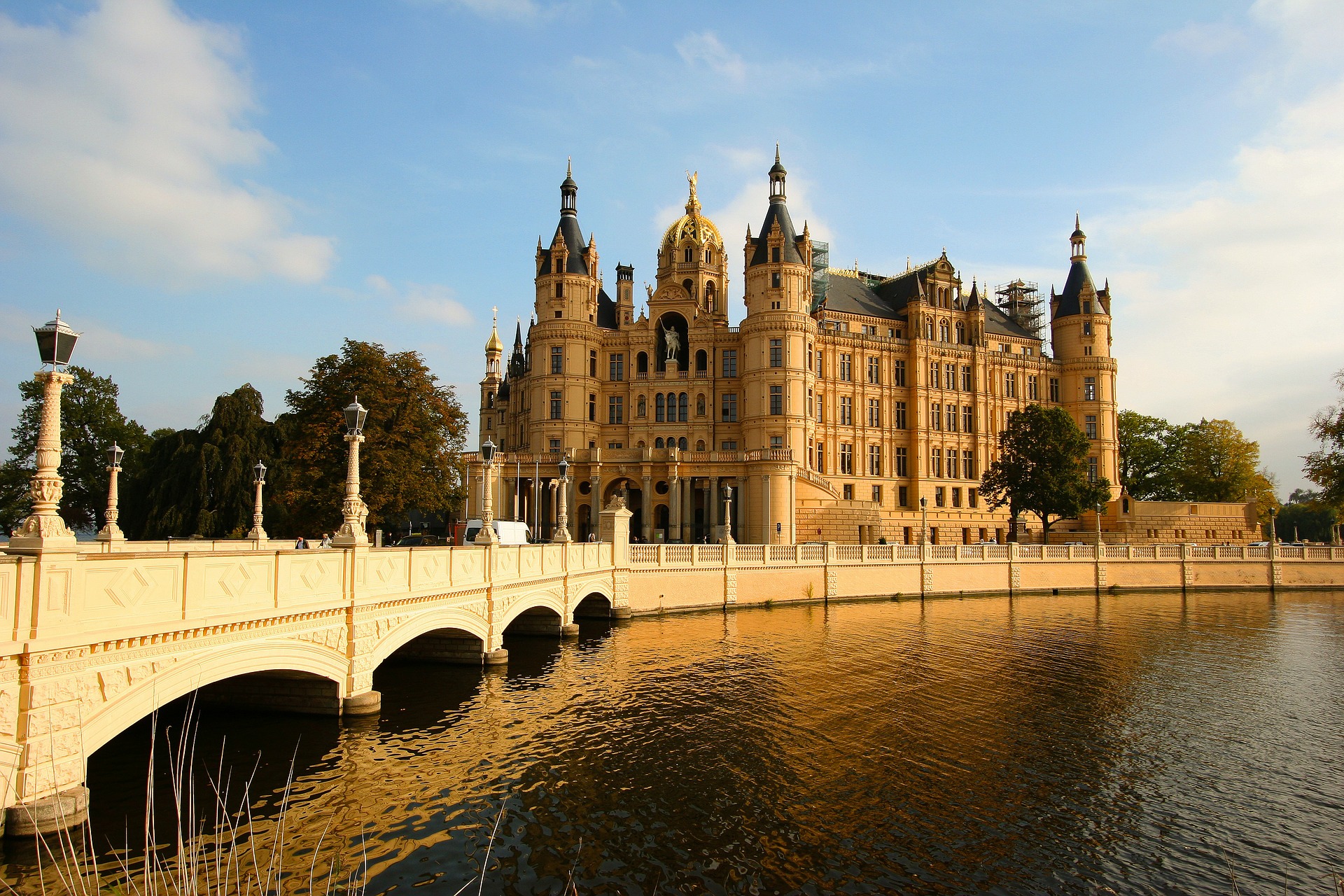
From the modest to the grand, Schwerin Castle is about as impressive as they come. Located in the northern region of Germany, the castle is situated in a slightly unconventional spot – in the middle of a lake.
With water on all sides and just two narrow bridges, this beautiful castle seems like it was plucked from the pages of a Brothers Grimm tale. And the inside is no less impressive, boasting an astonishing 653 rooms!
11) Sigmaringen Castle
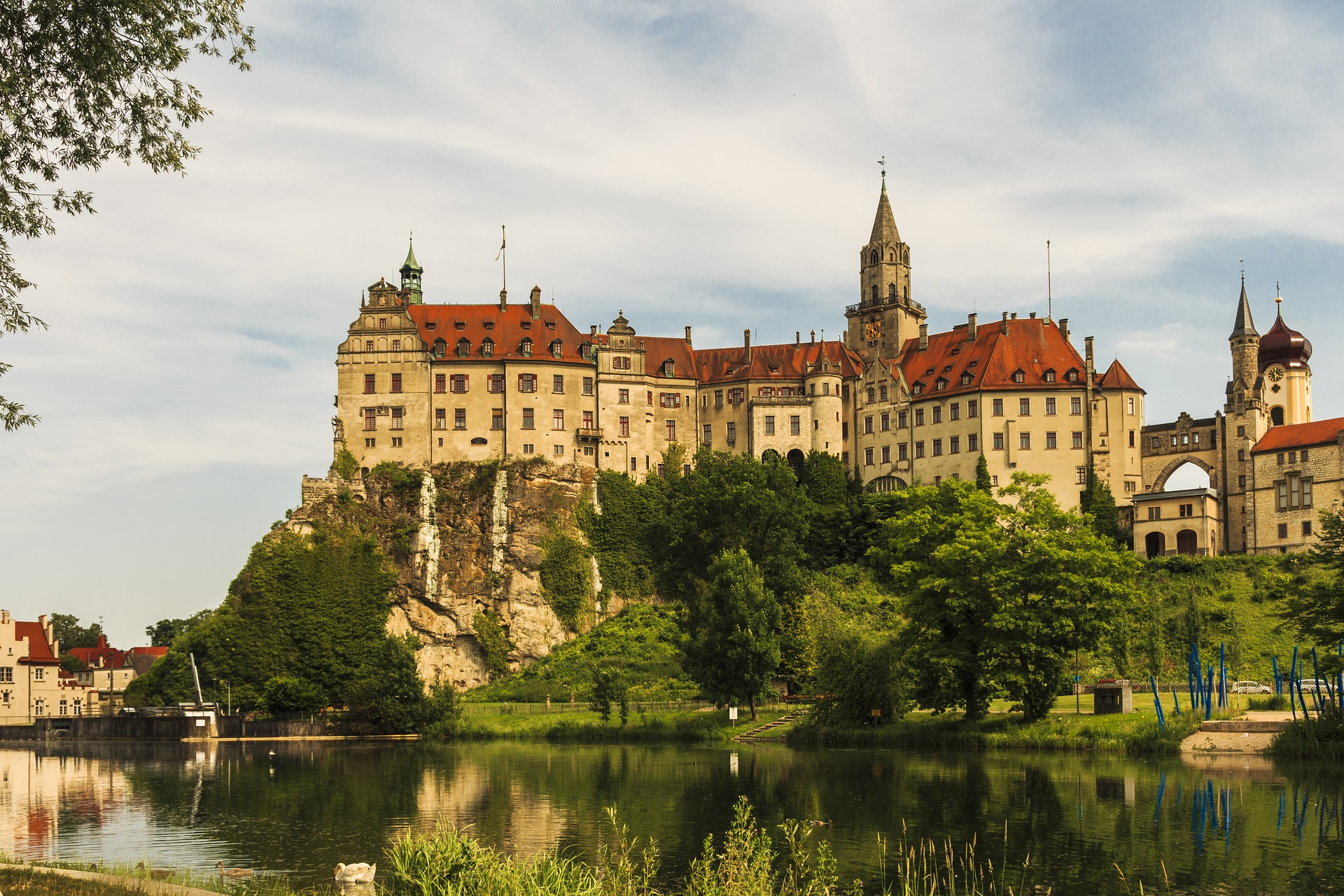
This castle, built atop a rocky cliff overlooking the town of Sigmaringen, has been the property of the Prussian royal family since the Middle Ages. And they still call it home to this day!
Located just south of Stuttgart, Sigmaringen Castle is one of the most beautiful castles in Germany. Plus, it has something unique to offer. Alongside Buckingham Palace in London, it is one of the few active royal residences that offers walking tours to the public.
12) Rheinstein Castle
Situated on the side of a mountain, this castle offers fantastic views of the beautiful Rhineland-Palatinate region of Germany – perfect for anyone looking to do a bit of sightseeing. Whilst its location overlooking the River Rhine once gave it strategic advantage as a military stronghold, it is now known for its postcard-perfect beauty.
Despite being rebuilt in the 19th century, the castle offers one of the most authentic looks at medieval architecture, complete with a drawbridge and even a portcullis.
If you don’t mind the hour drive outside of Frankfurt, you won’t miss a visit to the beautiful Rheinstein Castle – one of the most beautiful castles in Germany.
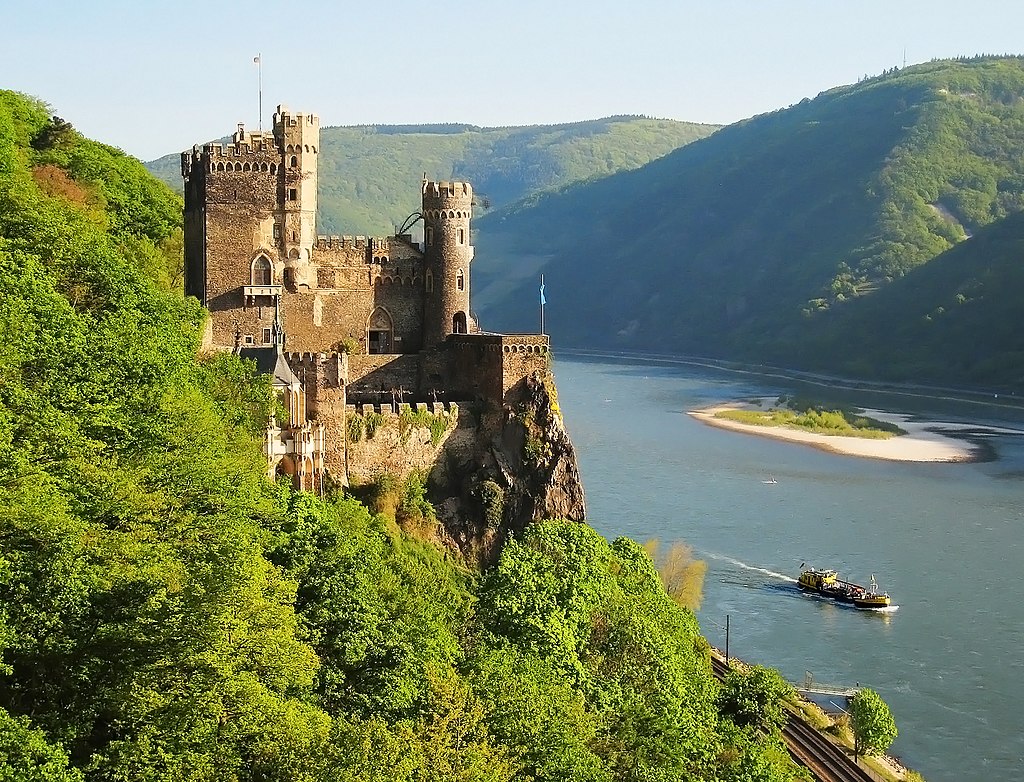
Credit: Manfred Heyde

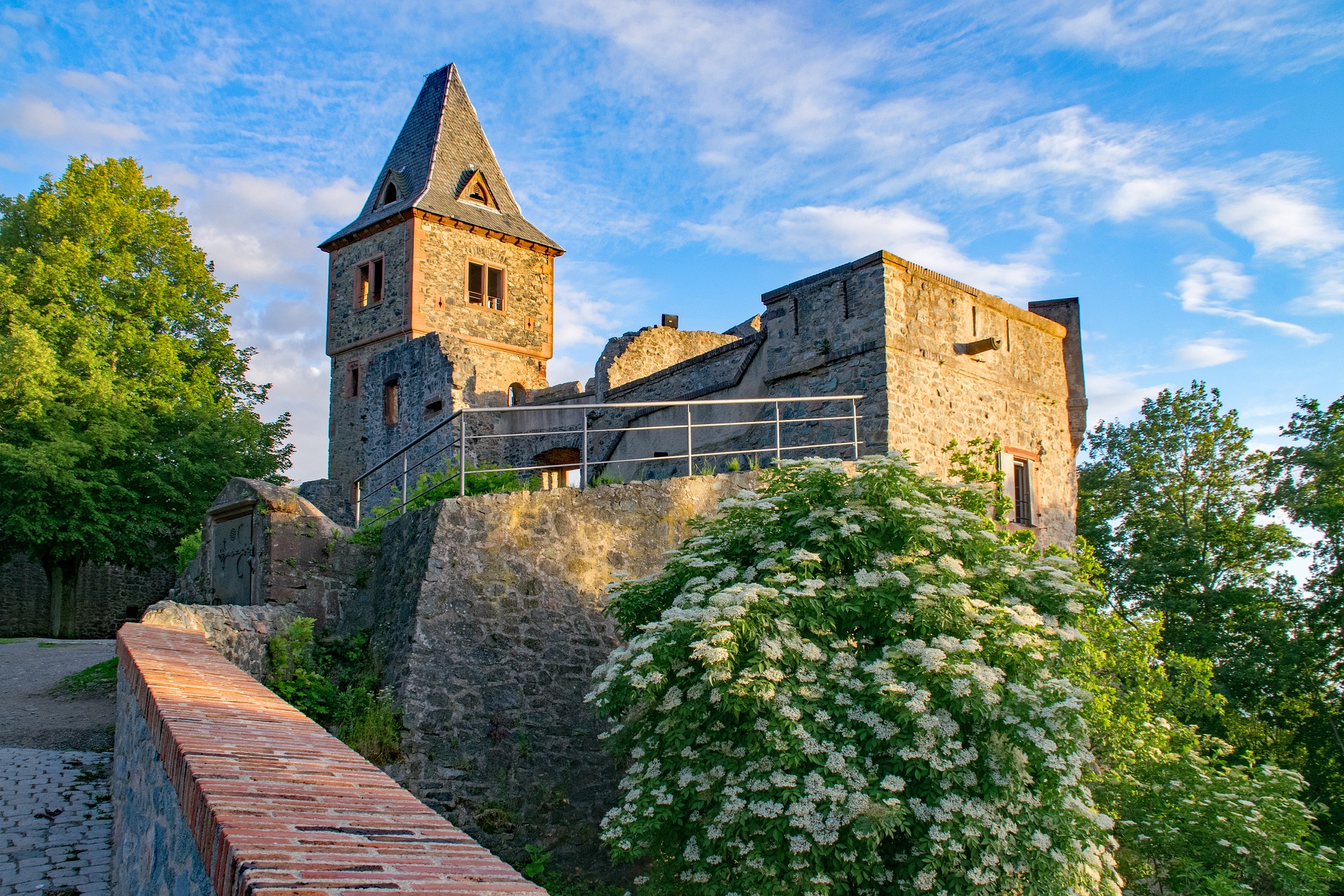
13) Frankenstein Castle
No, we’re not making this one up. As the name suggests, this 13th-century castle served as inspiration for Mary Shelley’s book Frankenstein. The titular character, Dr Frankenstein, was loosely based off the life of Johann Conrad Dippel, an alchemist who set up a laboratory inside the castle. It was from here that he bottled and sold his ‘elixir of life’ made from animal oils.
Legend goes that Mary Shelley first heard the tale of Dippel whilst on a cruise up the Rhine River in 1818. The castle itself has an eerie feel to it, so it’s easy to see where she got the inspiration for her creepy gothic novel.
14) Hohenschwangau Castle
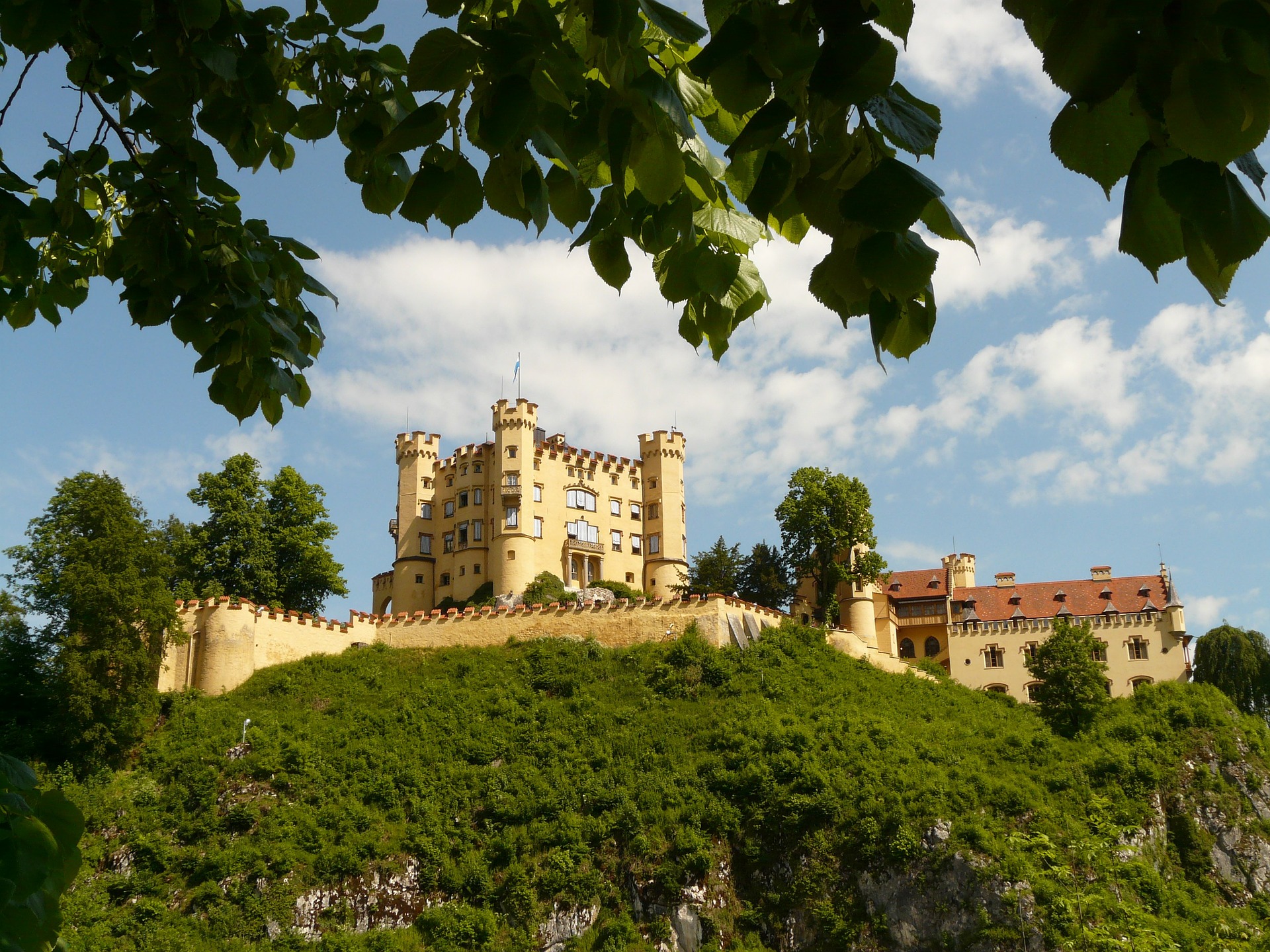
Sitting beneath the shadow of Neuschwanstein Castle is yet another castle that juts out from the forest landscape. Though a little smaller than its neighbour, Hohenschwangau Castle is no less impressive with its unusual bright orange façade.
Though the foundations date back to the 1100s, the castle itself fell into ruin many times over the years. It was eventually rebuilt in 1832 by the Bavarian Crown Prince Maximilian, who introduced a neo-Gothic style.
Planning a trip any time soon? Discover the best way to explore a city on one of our city walking tours. Wander the streets at your own pace, discover local attractions and uncover hidden gems.
15) Wartburg Castle
Perched on a rocky precipice 400 metres above the town of Eisenach in Thuringia, Wartburg Castle is one of Germany's most historically significant fortresses. This is where Martin Luther hid in 1521 after being declared an outlaw, spending ten months translating the New Testament into German — a feat that helped shape the modern German language. The castle's history stretches back even further: it was home to Saint Elisabeth of Hungary in the 13th century and the legendary setting of the Sängerkrieg, a mythical singing contest among medieval poets.
Wartburg earned its place as a UNESCO World Heritage Site in 1999, and it's easy to see why. The Romanesque Palas — the main residential building — is one of the best-preserved secular structures from the High Middle Ages anywhere in Europe. Inside, you'll find an extraordinary collection of medieval art, tapestries, and the modest room where Luther worked by candlelight. The views from the castle ramparts stretch across the dense Thuringian Forest, and the walk up through the woods is an experience in itself.
16) Marksburg Castle
Rising from a cone-shaped hilltop high above the Rhine River near Braubach, Marksburg holds a rare distinction: it is the only hilltop castle on the entire Rhine that was never destroyed. While nearly every other fortress along this storied stretch of river fell to wars, sieges, or the slow decay of centuries, Marksburg has stood intact since the 13th century, its original medieval layout remarkably preserved.
Walking through its gates feels like stepping directly into the Middle Ages. The castle's interior houses a medieval kitchen, a torture chamber, a Gothic hall, and a collection of over 600 years' worth of armour and weaponry. The narrow staircases, heavy stone walls, and tiny windows are all original — no romantic 19th-century restoration here. From the battlements, the views down to the Rhine and the town of Braubach are strikingly beautiful, especially in autumn when the valley turns golden. Marksburg is managed by the German Castles Association, which has its headquarters here — a fitting home for the organisation dedicated to preserving the country's castle heritage.
17) Wernigerode Castle
Overlooking the colourful half-timbered town of Wernigerode in the Harz Mountains, this castle has had quite the transformation. Originally built in the 12th century as a fortress to protect German emperors during their hunting expeditions in the Harz, it was destroyed in the Thirty Years' War and rebuilt in baroque style before receiving its current fairy tale appearance in the late 1800s. The result is a castle that looks like it belongs on the cover of a storybook — all turrets, gables, and warm sandstone set against a backdrop of forested mountains.
Inside, the castle has been turned into a museum showcasing the lavish lifestyle of 19th-century German aristocracy. The ornate reception halls, period furniture, and art collection are impressive, but the real highlight is the view. From the castle terrace, the entire town of Wernigerode stretches out below, with the Brocken — the highest peak of the Harz and the legendary site of the witches' Sabbath in Goethe's Faust — looming in the distance. If you time your visit right, you can ride the Harzer Schmalspurbahn, a historic narrow-gauge steam train that chugs through the mountains.
18) Stolzenfels Castle
Sitting majestically above the left bank of the Rhine near Koblenz, Stolzenfels Castle is a masterpiece of Rhineland Romanticism. The original 13th-century toll castle was reduced to ruins by French troops in 1689, and there it sat for over a century — a crumbling shell overlooking the river. Then, in 1823, the city of Koblenz gifted the ruins to Prussian Crown Prince Friedrich Wilhelm, who transformed them into a lavish summer residence that blended medieval grandeur with 19th-century comfort.
The result is one of the most striking castles in the Rhine Valley. The neo-Gothic interiors feature painted ceilings, knight's halls, and a stunning collection of medieval-inspired furniture. The castle gardens are arranged in terraces that cascade down toward the Rhine, and on a warm afternoon, the views from the garden pavilion are breathtaking. Stolzenfels is part of the UNESCO-listed Upper Middle Rhine Valley, a 65-kilometre stretch of river dotted with more than 40 castles — but few are as elegantly restored as this one. It's a quieter alternative to the more famous Rhine castles, which makes the visit all the more rewarding.
19) Charlottenburg Palace
If you think Germany's castle heritage is limited to medieval hilltop fortresses, Charlottenburg Palace will change your mind. Located in the heart of Berlin, this sprawling baroque and rococo palace was built at the end of the 17th century for Sophie Charlotte, the wife of Friedrich I, the first King of Prussia. What began as a modest summer residence grew over the following decades into Berlin's largest palace, with ornate state rooms, a domed chapel, and an orangery that stretches endlessly along the garden side.
The palace grounds are just as impressive as the interiors. The formal baroque garden gives way to an English landscape park that rolls down to the River Spree, making it one of Berlin's most beautiful green spaces. Inside, the highlights include the opulent Golden Gallery — a rococo ballroom dripping with gilded stucco — and the porcelain cabinet, a room entirely covered in Chinese and Japanese ceramics. For anyone visiting Berlin who wants to experience the grandeur of Prussian royalty without leaving the city, Charlottenburg is unmissable.
20) Burghausen Castle
For sheer scale, no castle in Germany — or Europe, for that matter — can match Burghausen. Stretching over one kilometre along a narrow ridge above the town of Burghausen in Bavaria, it holds the Guinness World Record for the longest castle complex in the world. Built and expanded between the 11th and 16th centuries by the Dukes of Bavaria, the fortress consists of six courtyards, each a self-contained defensive zone that an invading army would have had to breach one by one.
Despite its extraordinary size, Burghausen flies under the radar compared to its Bavarian neighbour Neuschwanstein. That's a shame, because the castle offers something genuinely different: a sense of medieval military architecture on a grand scale, with massive gatehouse towers, underground passageways, and a Gothic chapel tucked between the second and third courtyards. The views from the castle walls are spectacular — on one side, the turquoise waters of the Wöhrsee lake; on the other, the rooftops of Burghausen's charming old town. It's well worth the detour for anyone exploring southern Germany who wants to see something truly unique.
Also update any reference to "14 castles" in the article intro to say "20 castles". And once it's live, give Cursor this one-liner to clean up the code comment:
In lib/blog-seo-overrides.ts, remove the comment about the content team needing to add 6 more castles — the content has been updated.