Castello Ursino, Catania — Visitor Guide & Things to Do Nearby
About Castello Ursino
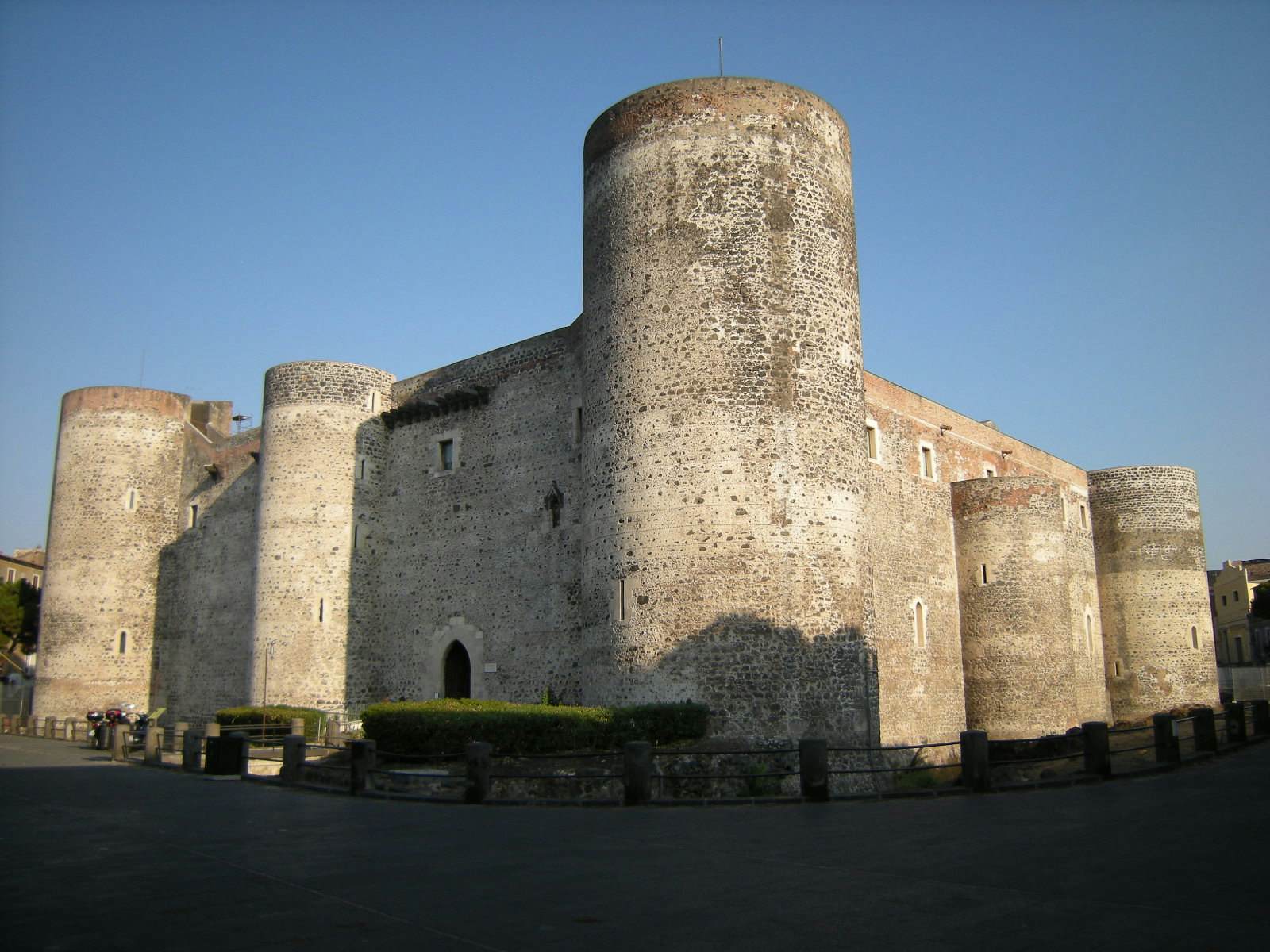
Emperor Frederick II built Castello Ursino between 1239 and 1250 as a statement of absolute imperial power. The castle was considered impregnable, a massive stone fortress designed to dominate Catania's skyline and defend the capital city.
The castle's most dramatic political moment came in 1295, when it became the seat of the Sicilian Parliament that deposed King James II and elected Frederick III as King of Sicily. These walls witnessed the shifting of crowns and the rewriting of history.
Medieval intrigue reached its peak in 1397 when Frederick III's daughter Maria was kidnapped from the castle by the Count of Augusta, who opposed her planned marriage. She was eventually rescued and married her intended cousin Martin, but the scandal rocked the Sicilian court.
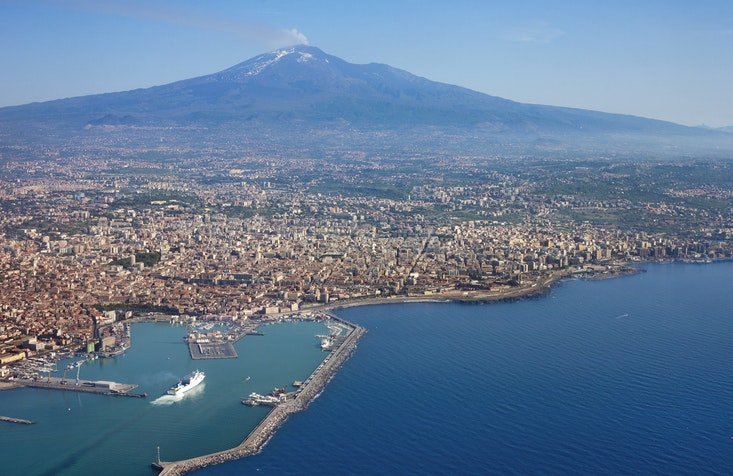
Nature nearly finished what armies could not. During the 1669 eruption of Mount Etna, lava approached from the south, but the castle's ramparts and moats diverted the flow back toward the sea. The fortress survived, but the landscape was permanently transformed. A castle that once overlooked the sea suddenly found itself landlocked, stranded by solidified lava.
Just 24 years later, the 1693 earthquake collapsed several towers. Between the 16th and 18th centuries, the castle served as a prison. Graffiti scratched by inmates remains visible on the walls, silent testimony to centuries of captivity.
Today the Museo Civico operates inside the restored castle. A Questo quest through Catania leads you through the city's volcanic and medieval layers, with Castello Ursino as one of its most dramatic stops.
Plan Your Visit
- Address
- P.za Federico di Svevia, 21, 95121 Catania CT, Italy
Loading map…