Vatican City, Rome — Visitor Guide & Things to Do Nearby
About Vatican City
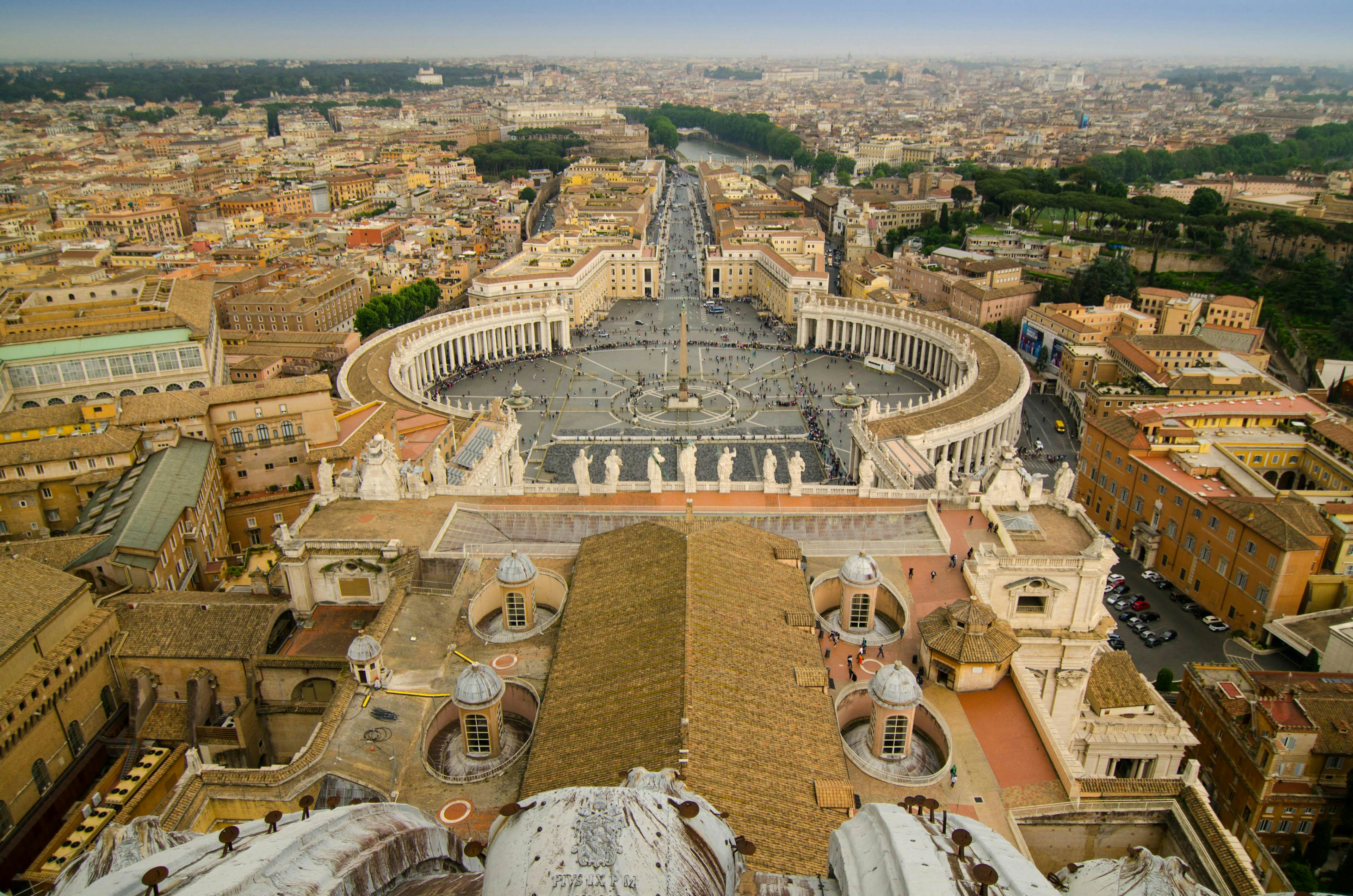
Vatican City is the smallest independent country in the world, covering just 44 hectares on the west bank of the Tiber. It is the spiritual centre of the Catholic Church and home to some of the most important art and architecture on earth.
The Vatican became an independent state on February 11, 1929, when the Lateran Pacts were signed between the Holy See and Italy, ending the "Roman Question" that had persisted since Italian unification in 1870. For 59 years, popes had refused to leave the Vatican in protest, considering themselves "prisoners" of the Italian state.
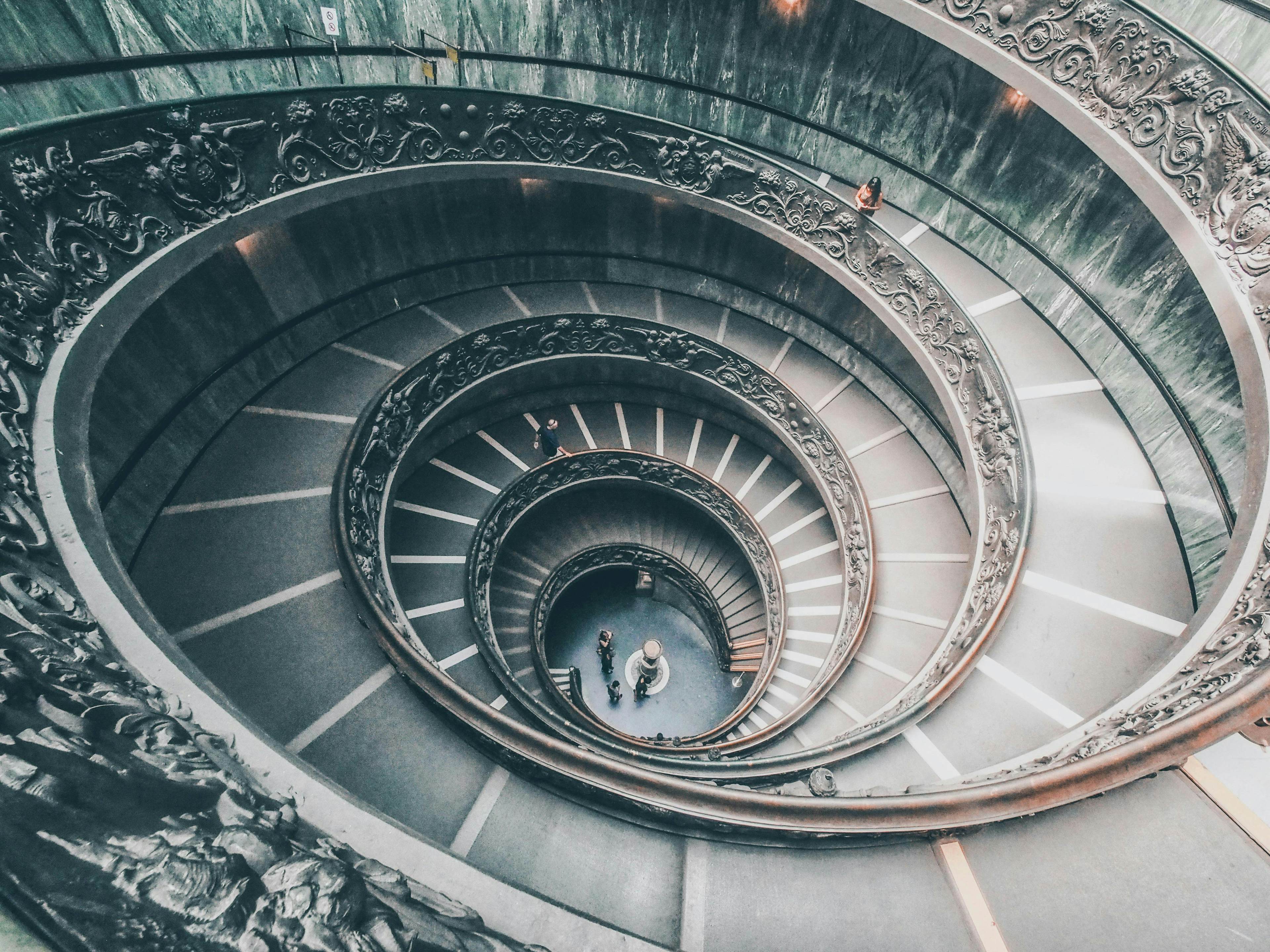
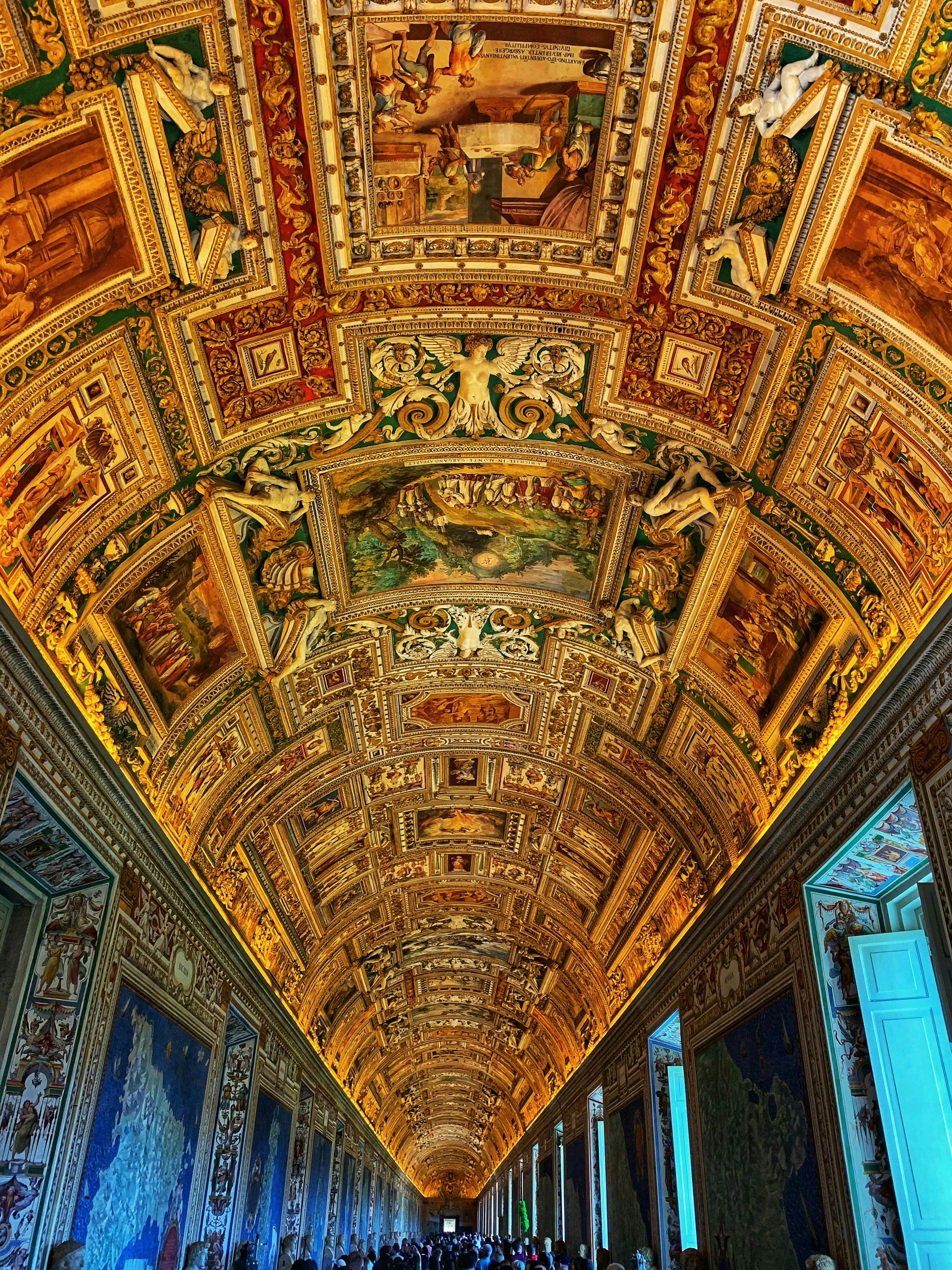
The most important buildings within the Vatican are St Peter's Basilica (the largest church in the world), the Vatican Museums, and the Sistine Chapel. St Peter's Basilica was built over the tomb of St Peter, the first pope, and the current building, begun in 1506, was designed by a succession of architects including Bramante, Michelangelo, and Maderno.
The Vatican has its own postal service (which many Romans prefer to the Italian system), its own radio station, its own newspaper, and even its own stamps and coins. The Swiss Guard, established in 1506, remains the world's smallest standing army.
Vatican City has a population of around 1,000 and no one is born a citizen. Citizenship is granted by papal appointment and lost when your service ends.
If you're on a Questo quest through Rome, the Vatican is a stop where the world's smallest country contains some of its greatest treasures.
Plan Your Visit
- Address
- 00120, Vatican City
Loading map…