The Colosseum, Rome — Visitor Guide & Things to Do Nearby
About The Colosseum
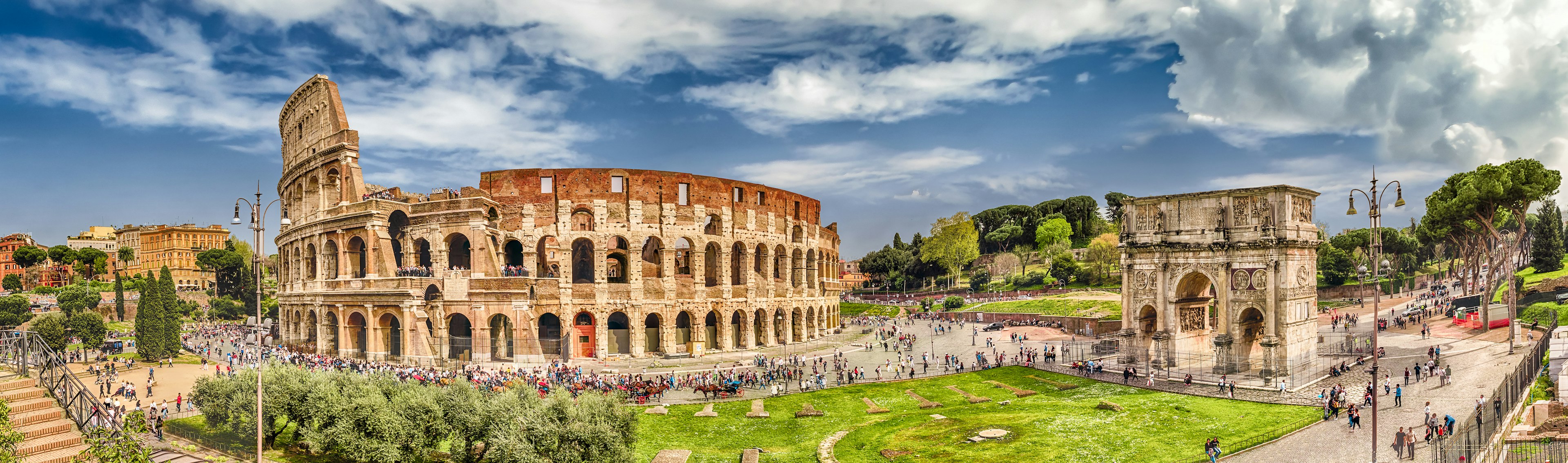
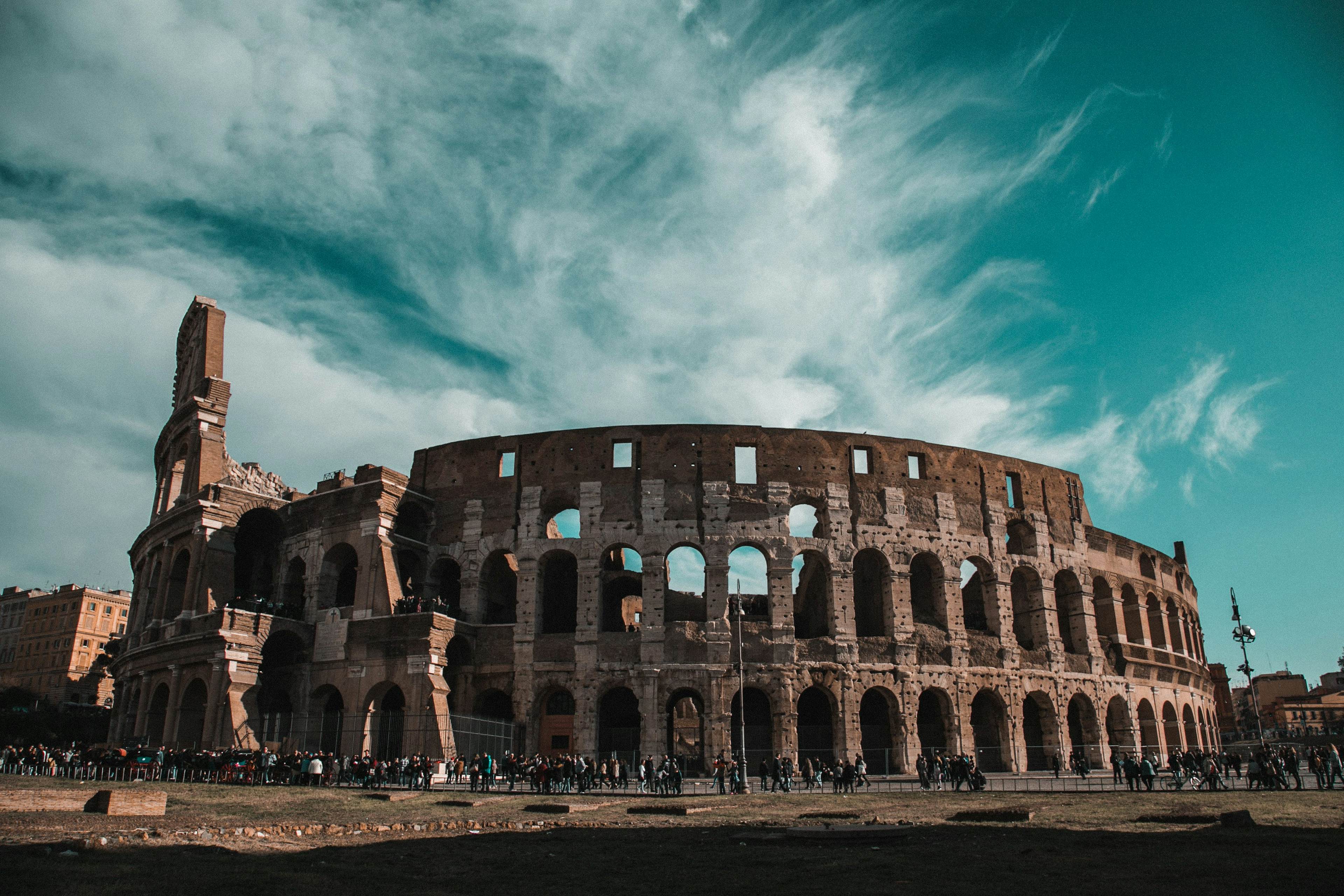
The Colosseum is the largest amphitheatre ever built and the most iconic symbol of ancient Rome. Standing in the heart of the city, it has drawn visitors for nearly 2,000 years and remains one of the most visited landmarks on earth.
Construction began under Emperor Vespasian around 72 AD and was completed by his son Titus in 80 AD. The inaugural games lasted 100 days and, according to ancient sources, resulted in the deaths of over 2,000 gladiators and 9,000 wild animals. The labour force that built it included an estimated 60,000 to 100,000 Jewish slaves captured during the Siege of Jerusalem in 70 AD.
The amphitheatre could hold up to 50,000 spectators and featured a sophisticated system of numbered entrances, underground tunnels, animal cages, and trapdoors. A retractable awning (velarium) shaded the audience from the sun. Beneath the arena floor, the hypogeum, a network of corridors and rooms, housed gladiators and animals before they emerged into the arena.
The name "Colosseum" does not refer to the building's size but to a colossal bronze statue of Nero that once stood nearby.
Despite earthquakes, stone-robbing, and centuries of neglect, about two-thirds of the original structure survives. It welcomes over 7 million visitors a year.
If you're on a Questo quest through Rome, the Colosseum is a stop where the scale of the building matches the scale of the stories it has witnessed.
Plan Your Visit
- Address
- Rome, Metropolitan City of Rome Capital, Italy
Loading map…