Place to visit / Brasov
Turnul Alb, Brasov, Guide du visiteur et quoi faire à proximité
Plan your visit, then discover Turnul Alb as part of a self-guided story through Brasov.
Explore all of BrasovSur un parcours à faire en autonomie
- 14 étapes
- 0.5 km
- 56 min
- ★ 4.6 (25)
Le parcours démarre à 182 m d'ici, environ 2 min à pied
5 autres parcours passent ici
À propos Turnul Alb
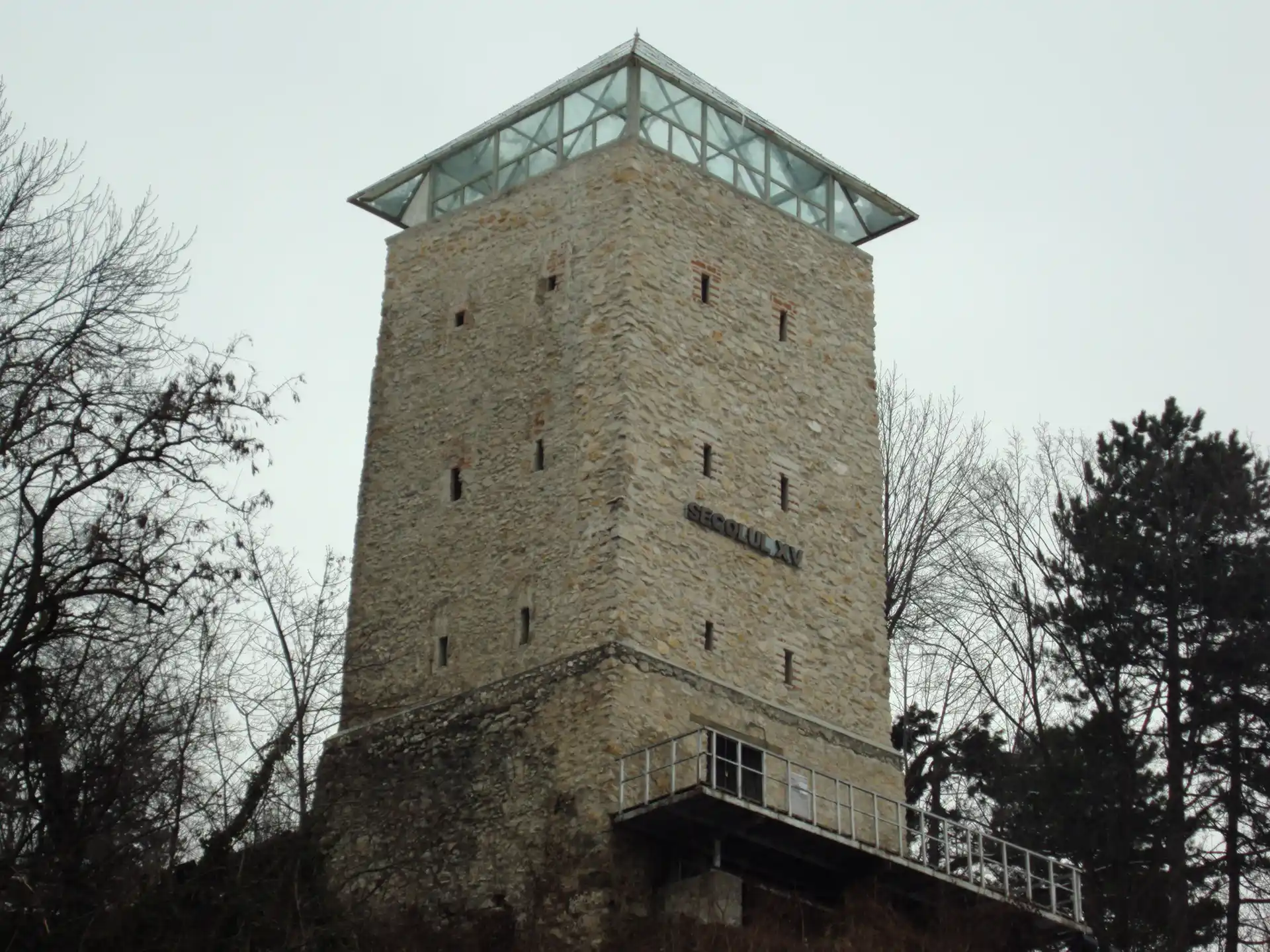
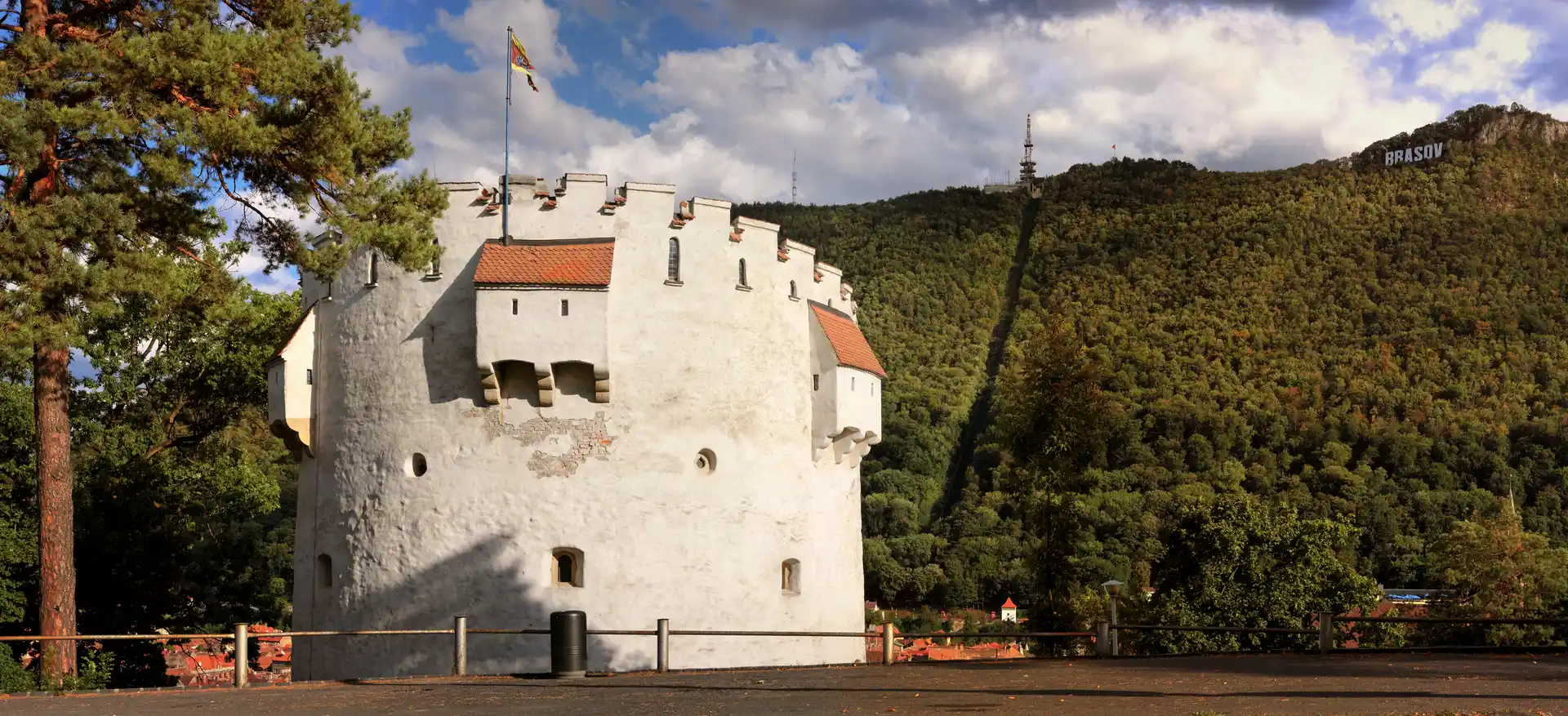
Turnul Alb, the White Tower, complements the Black Tower in Brasov's distinctive medieval skyline. This whitewashed fortification stands as another testament to the city's layered defensive architecture. Built as part of the comprehensive fortress system protecting Brasov, the White Tower served alongside numerous bastions to create a formidable perimeter. The tower's brilliant white appearance contrasts sharply with the darker Black Tower, creating a dramatic visual landscape that medieval inhabitants would have found equally impressive. The White Tower featured gun emplacements, narrow observation slits, and crenellated top surfaces typical of 15th and 16th-century military architecture. Its strategic position along the fortress wall allowed defenders to command significant approaches to the city. The tower's preservation reveals medieval construction techniques and defensive design principles. Visitors studying both towers together can understand how complementary defensive positions worked in coordinated systems. The White Tower's history intertwines with Brasov's survival through Ottoman threats and local conflicts. The contrasting colors of the Black and White Towers create Brasov's most memorable architectural image. Questo adventurers love comparing both towers and learning their complementary defensive roles.
Préparez votre visite
- Adresse
- Calea Poienii, Brașov, Romania
Loading map…
Questions fréquemment posées
How does it compare to the Black Tower?
What military features did it have?
Why is it called the White Tower?
What periods did it defend against?
Play through this place
Explorez Turnul Alb avec un quest Questo

Hidden Brasov: The Mysterious Greek Cemetery
0.2 km away · 2 min walk

The Forgotten Treasure Of The Teutonic Knights, Brasov
0.2 km away · 3 min walk

Brasov: The Warning Before the Siege (part I)
0.4 km away · 5 min walk

Romantic Brasov: The Beloved Lady & The Charming Knight
0.4 km away · 5 min walk

Brașovul Bântuit: Cele Șapte Păcate Capitale
0.4 km away · 5 min walk

Brasov: The Warning Before the Siege (part II)
0.4 km away · 5 min walk