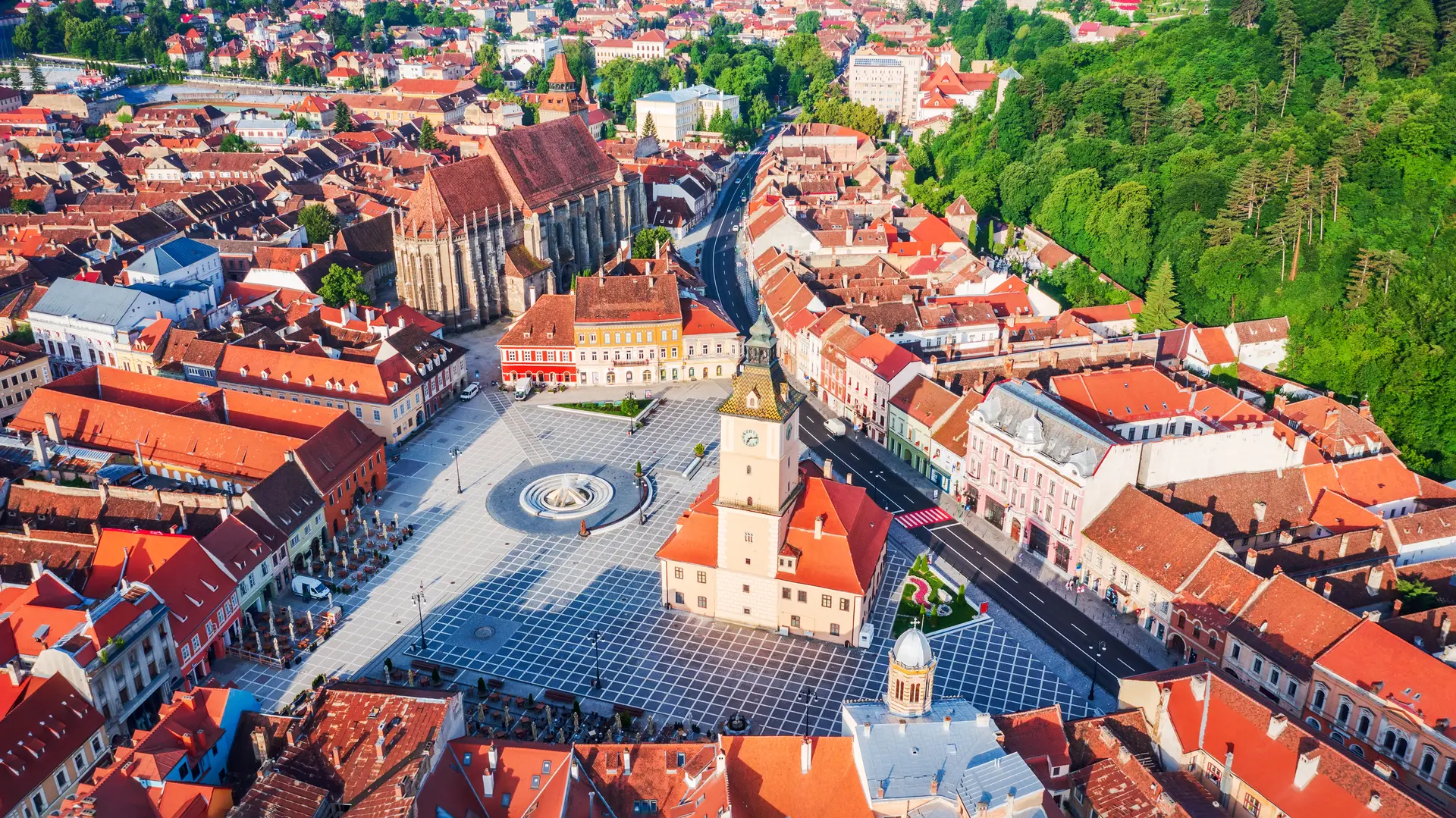
Place to visit / Brasov
Biserica Neagră, Brasov, Guide du visiteur et quoi faire à proximité
Plan your visit, then discover Biserica Neagră as part of a self-guided story through Brasov.
Explore all of BrasovSur un parcours à faire en autonomie
- 13 étapes
- 3.3 km
- 104 min
- ★ 4.7 (109)
Le parcours démarre ici
5 autres parcours passent ici
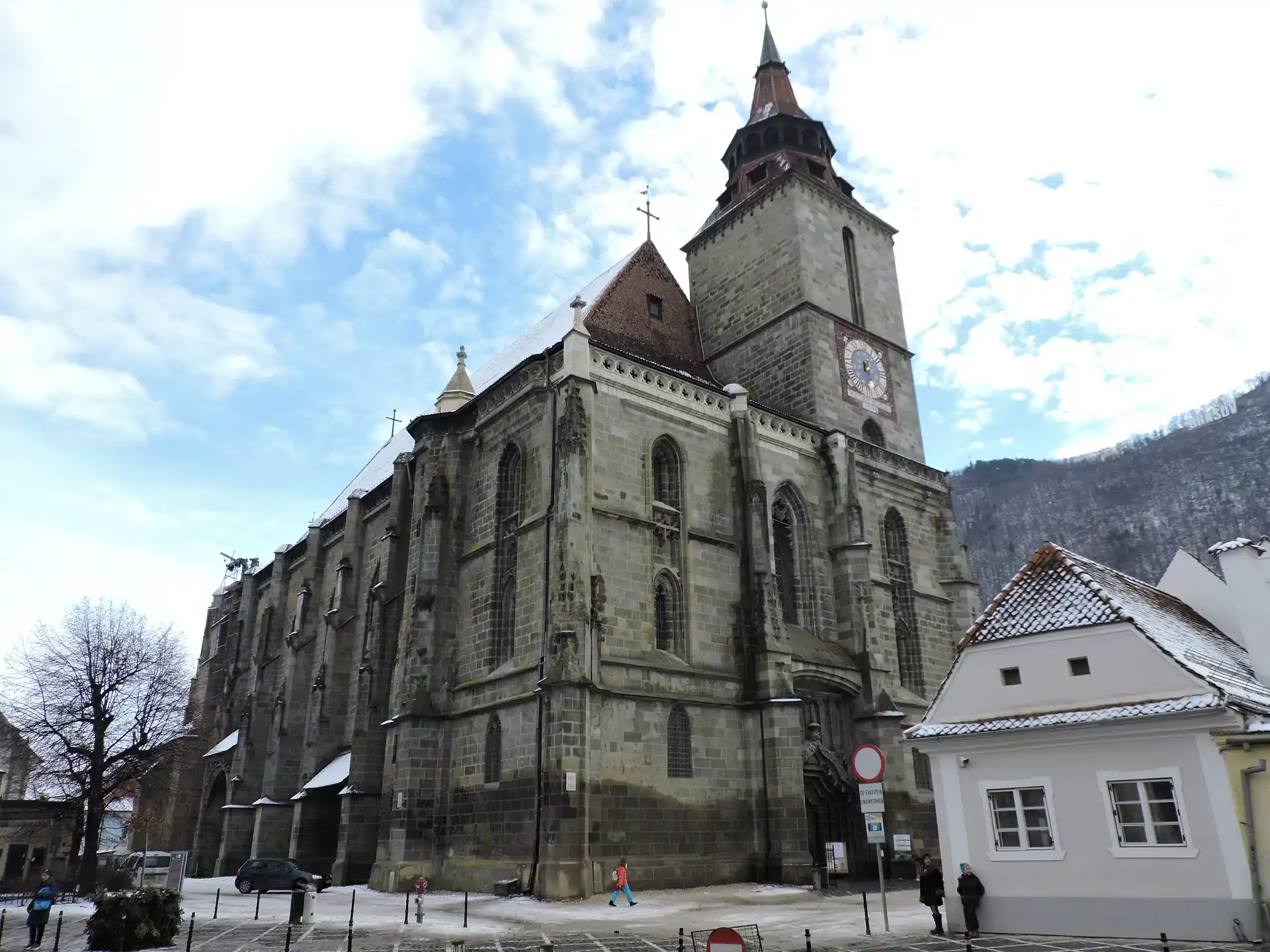
À propos Biserica Neagră
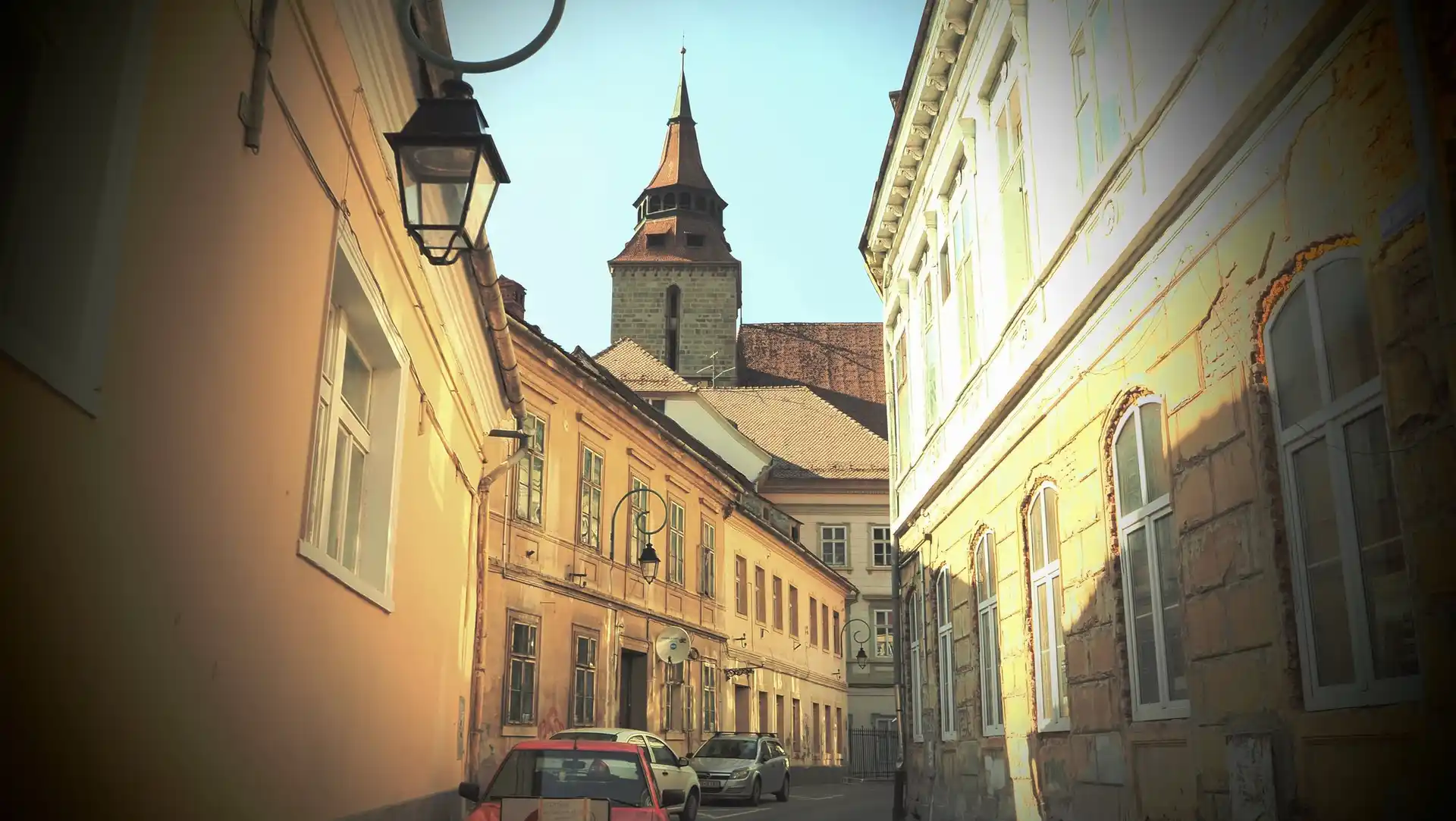
Biserica Neagră, the Romanian-language name for Brasov's most iconic structure, represents the same architectural masterpiece as the Black Church but emphasized in its Romanian cultural context. This magnificent Gothic cathedral dominated by its 67-meter tower has served as a spiritual center for Romanian communities across centuries. The church's construction beginning in 1385 reflects Brasov's growing wealth and importance as a commercial hub. The name 'Black Church' in Romanian tradition references both the 1689 fire and the church's profound spiritual presence in the city's consciousness. The interior spans a vast nave flanked by elegant aisles, creating a sense of boundless spiritual space. High Gothic arches frame intricate ribbed vaults that draw the eye heavenward in medieval architectural tradition. The chancel contains exquisite decorative elements and religious furnishings accumulated across centuries. Turkish carpets adorning the interior serve as reminders of Brasov's location at European civilization's edge. The astronomical clock remains a marvel of medieval mechanical engineering. Walking through the doors of Biserica Neagră connects visitors to generations of Romanian worshippers and celebrants. The church transcends religious function to represent Brasov's cultural identity. Questo members value understanding the same location through multiple cultural and linguistic perspectives.
Préparez votre visite
- Adresse
- Curtea Honterus 83, Brașov, Romania
Loading map…
Questions fréquemment posées
Is Biserica Neagră the same as the Black Church?
How does it reflect Romanian culture?
What religious services occur there?
Why both names exist?
Play through this place
Explorez Biserica Neagră avec un quest Questo

The Forgotten Treasure Of The Teutonic Knights, Brasov
0.0 km away

Hidden Brasov: The Mysterious Greek Cemetery
0.1 km away · 1 min walk

Brasov: The Warning Before the Siege (part I)
0.3 km away · 3 min walk

Brasov: The Warning Before the Siege (part II)
0.3 km away · 4 min walk

Brașovul Bântuit: Cele Șapte Păcate Capitale
0.4 km away · 5 min walk

Haunted Brasov: Face The Vengeful Ghosts
1.3 km away · 16 min walk