Place to visit / Brasov
Cetățuia de pe Strajă, Brasov, Przewodnik dla zwiedzających i co robić w okolicy
Plan your visit, then discover Cetățuia de pe Strajă as part of a self-guided story through Brasov.
Explore all of BrasovNa trasie do przejścia na własną rękę
- 9 przystanków
- 3.4 km
- 132 min
- ★ 4.8 (161)
Trasa zaczyna się 740 m stąd, około 9 min pieszo
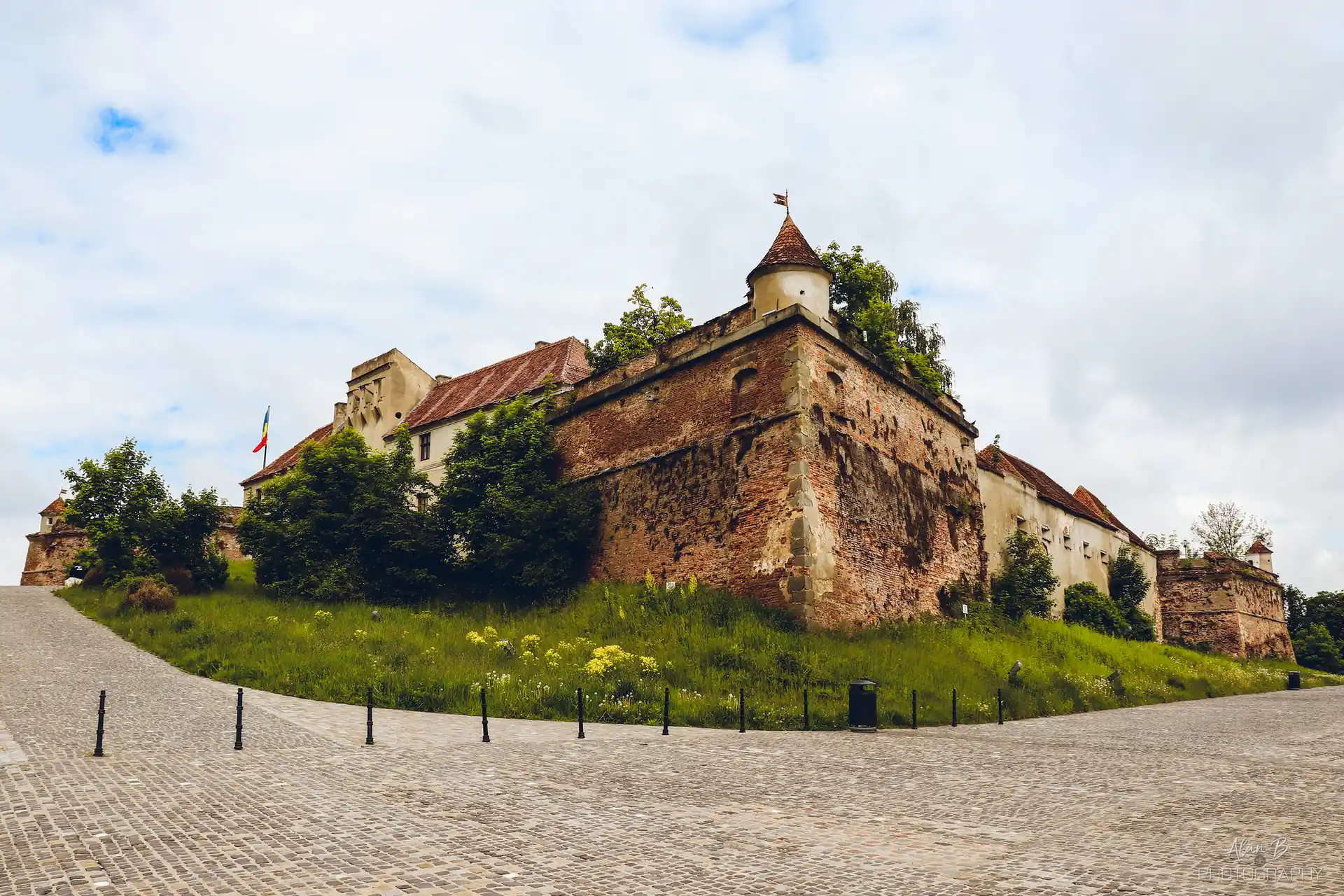
O Cetățuia de pe Strajă
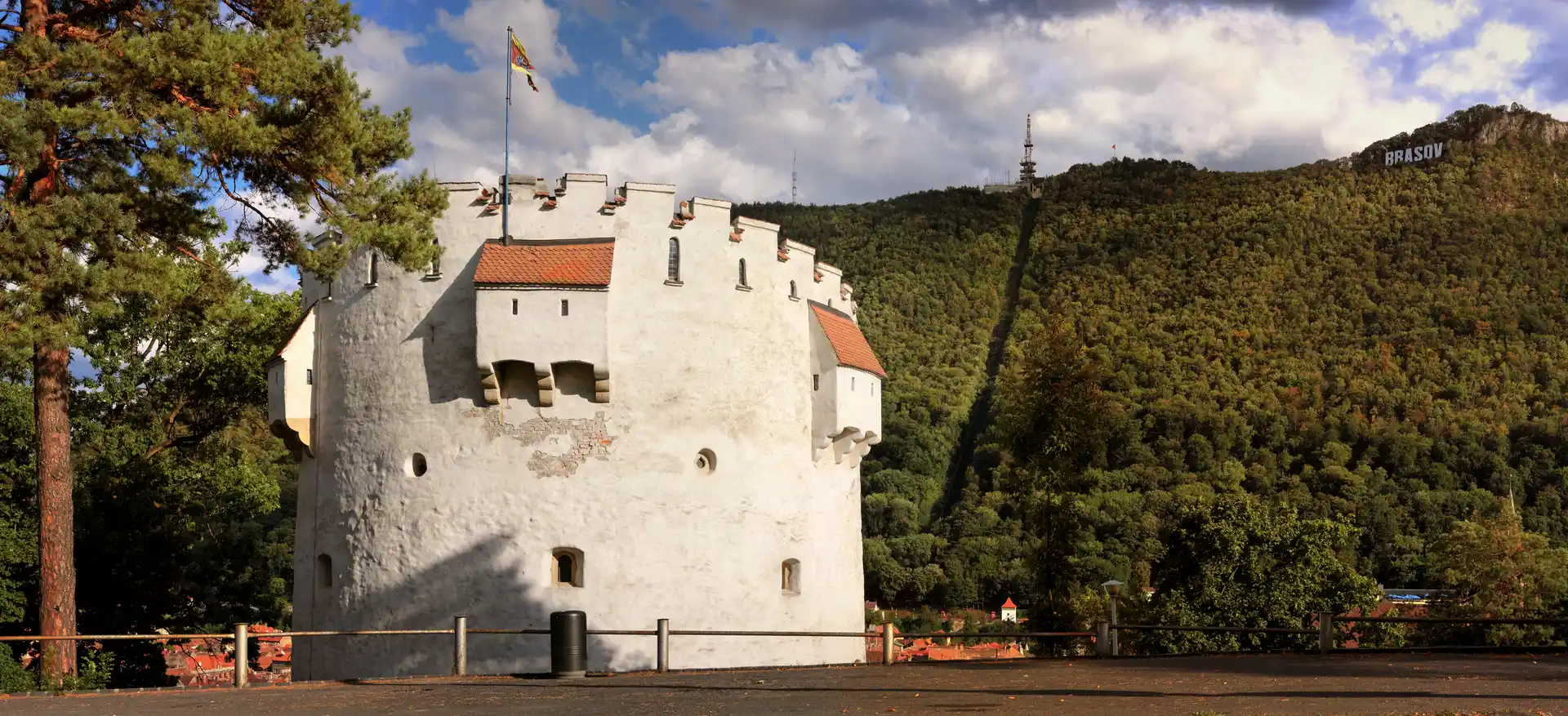
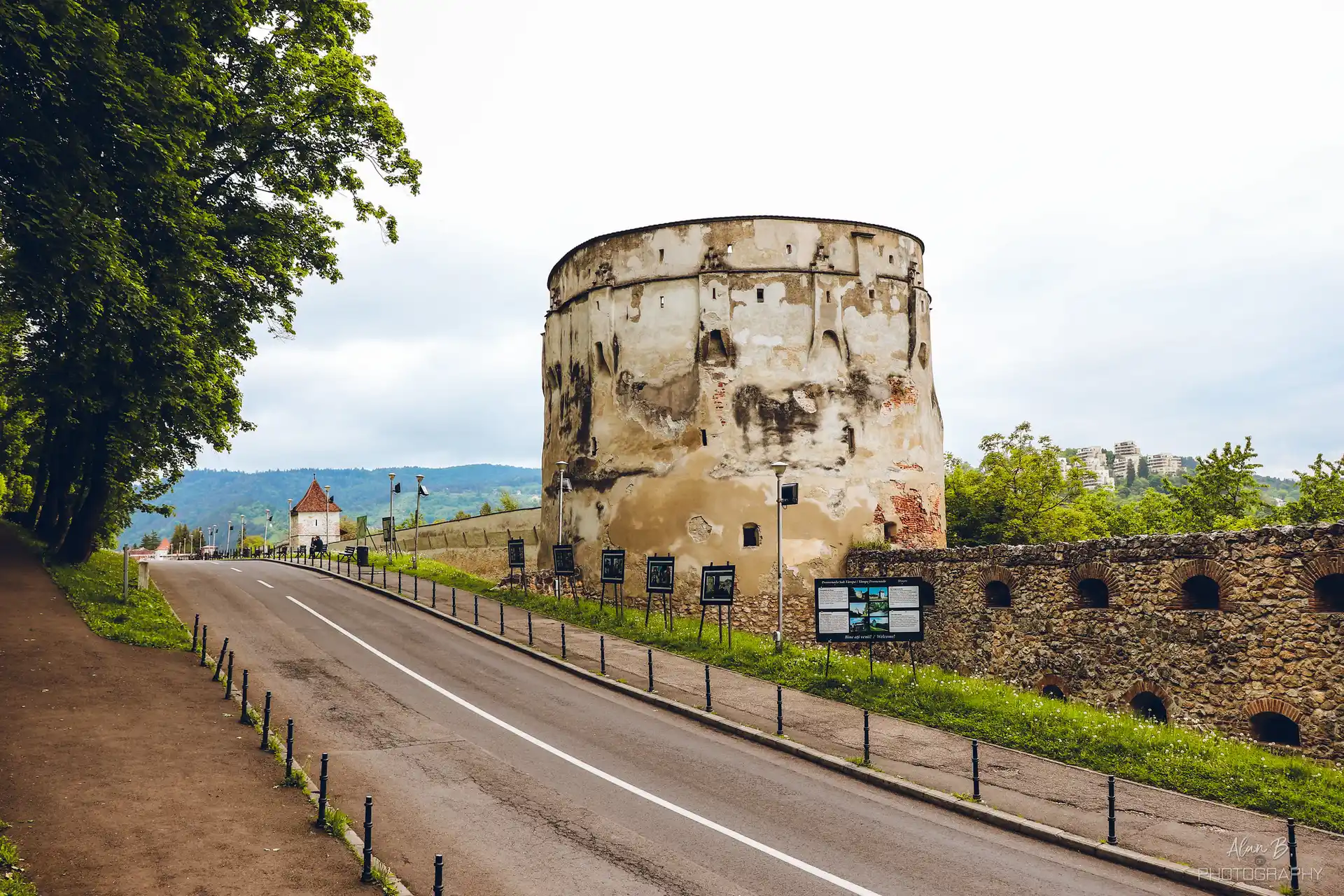
Cetățuia de pe Strajă, the Citadel on the Hill, crowns the heights above Brasov with commanding authority. This fortified settlement represents medieval strategic thinking at its finest, occupying elevated terrain to provide maximum defensive advantage and visibility. Built in multiple phases throughout the medieval period, the citadel served as Brasov's ultimate refuge during periods of siege or invasion. The elevated position offered unparalleled views of approaches from all directions, allowing early warning systems and coordinated defense responses. The citadel's fortifications include multiple defensive lines, towers, and structures designed to withstand sustained attack. The hill's natural elevation created nearly insurmountable obstacles for medieval siege equipment. Walking toward the citadel involves climbing terrain that attackers would have found nearly impossible to traverse under fire. The preserved structures reveal sophisticated understanding of military architecture and topographical advantages. From the citadel, medieval inhabitants could see vast distances across Transylvanian terrain, maintaining awareness of distant threats. The site combines natural geography with human construction to achieve remarkable defensive capability. Visitors experience how medieval military planners exploited natural advantages. Questo travelers appreciate the elevated panoramic views and understanding citadel strategies.
Zaplanuj wizytę
- Adres
- Strada Dealul Cetăţii 5, Brașov, Romania
Loading map…
Często zadawane pytania
Why was it built on a hill?
What structures remain?
How was it defended?
What are the views from the citadel?
Play through this place