Place to visit / Mexico City
Puente del siglo XVII, Mexico City, Ghid vizitatori și ce de văzut în apropiere
Plan your visit, then discover Puente del siglo XVII as part of a self-guided story through Mexico City.
Explore all of Mexico CityPe un traseu de explorat pe cont propriu
- 12 opriri
- 3.3 km
- 100 min
- ★ 4.7 (135)
Traseul pornește la 608 m de aici, cam 7 min de mers
Despre Puente del siglo XVII
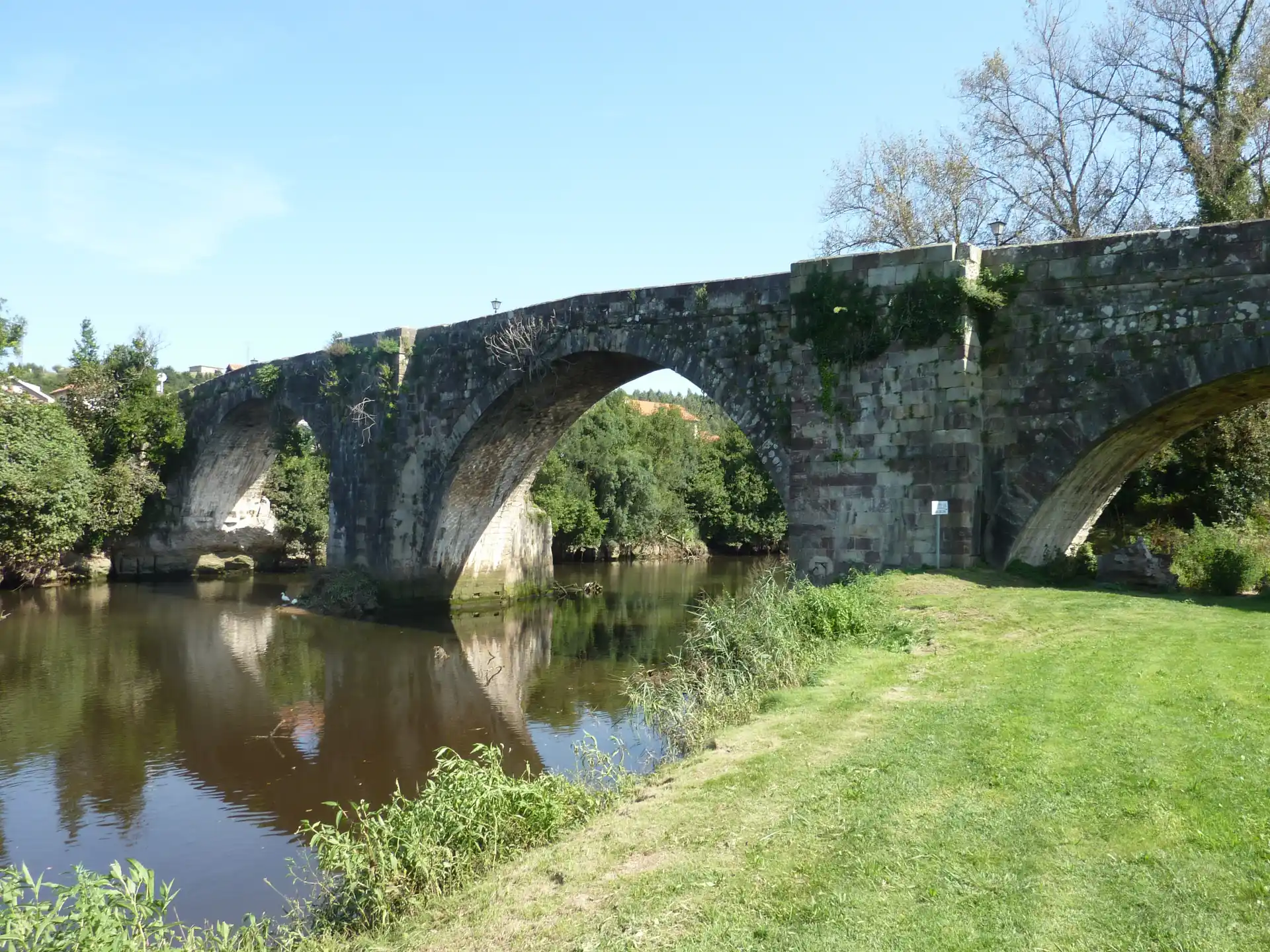
The Puente del Siglo XVII, or Seventeenth Century Bridge, stands as a remarkable survivor from Mexico City's early colonial period, carrying the weight of nearly four centuries of history in its stone structure. Spanning a canal in the Copilco area near the Álvaro Obregón neighborhood, this bridge represents a direct connection to the engineering ingenuity and daily life of the 1600s, when Mexico City was still navigating its transformation from Aztec Tenochtitlan into a Spanish colonial capital.
What makes this bridge extraordinary is its authenticity. While much of Mexico City's colonial architecture has been demolished, rebuilt, or modernized beyond recognition, the Puente del Siglo XVII remains largely in its original form, with its characteristic arched design and stone construction that Spanish colonial builders favored. The bridge once served essential infrastructure functions, connecting neighborhoods and facilitating commerce and communication across waterways that have since largely disappeared from the urban landscape.
For Questo explorers, visiting this bridge offers a tangible moment of temporal displacement. Standing upon stones laid centuries ago, visitors connect directly with the hands and labor of colonial-era builders and the countless ordinary people who crossed this bridge during their daily lives. The surrounding area has transformed dramatically, yet the bridge persists as a silent witness to Mexico City's continuous evolution from colonial outpost to modern megalopolis.
Planifică-ți vizita
- Adresă
- Av Paseo del Río 2, Copilco el Bajo, Álvaro Obregón, 04340 Ciudad de México, CDMX, Mexico
Loading map…
Întrebări frecvente
When was the Puente del Siglo XVII built?
What was the bridge originally built for?
Is the bridge in its original condition?
Where exactly is the bridge located?
Play through this place